“Now that I’ve played Duke Nukem 3D and Shadow Warrior, there’s only one of the Big Three build engine games left to try.”
“Hmm… I’ve finished D3D and SW on hard, so I’d better put this on the ‘Well Done’ difficulty.”
TEN MINUTES LATER…
Blood is kicking my ass.
The difficulties were made with co-op in mind. If you’re an FPS veteran, play it on the middle skill. If you’re a little less sure, play it on one of the two skills at the top. No shame. Blood on medium and higher is brutally hard, but it’s also one of the greatest FPS games ever made.
Everything about it is masterfully done. There’s so many barely-noticeable bits of ‘game feel’ that make the combat fluid and satisfying. Highly recommended.
I knew how Strafe was going to turn out. I read the dev updates. I
saw it coming. Strafe was more or less unplayable on my laptop but even
then I knew I didn’t miss anything. What a waste.
The devs have since given it a massive much needed overhaul called ‘Millennium Edition’ and I gave it a go.
What
is new? New room layouts (especially for the first zone, which is the
blandest and worst designed environment in the game), loads of new
monsters, new gun sounds, and performance optimization.
I had fun.
This might be because I’ve been cleaning black mold from a dank cellar all day.
There’s
still balance issues. The AI still doesn’t feel quite right. The
shotgun’s grenade upgrade is still a straight downgrade. Loot still
feels too expensive. Armour is far too expensive for what you get. The
jellyfish vents are still shit. It takes too long to get back into the
game after dying.
I played it for half an hour, which is
longer than I could stand to play the original. I enjoyed it and I’m
going to play it again. I like the new layouts, monsters and weapon
tweaks. If you’ve already bought Strafe you should try it.
I can’t recommend it to new players though. Maybe after the next overhaul.
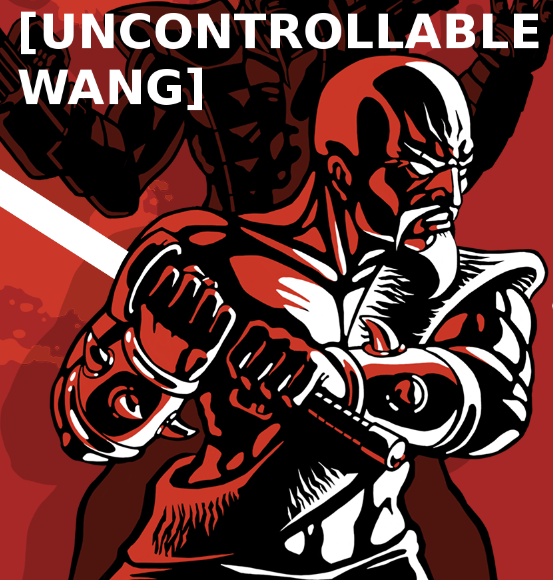
Who wants some Wang?
Over the summer I played through Shadow Warrior and all of its’ expansions
using the Shadow Warrior Redux port available on Steam. It’s finally time to
write about that experience.
Shadow Warrior was 3D Realms’
successor to Duke Nukem 3D. While Duke was a Hollywood badass, Shadow
Warrior’s hero is an over-the-top Asian badass with callbacks to Hong
Kong action films and Japanese ninja shows.
Shadow Warrior was
less successful than Duke 3D, probably due to releasing so close to
Quake which made it appear dated by comparison.
The Introduction
I first purchased Shadow Warrior Redux last year, but I struggled to get
into
it. Duke Nukem is eminently accessible. Hardcore, but accessible. I’m
going to
spoil things now and say that I ended up loving Shadow Warrior. It’s
Duke Nukem dialed up. Less accessible, more hardcore, and in the end
satisfying as hell.
My first attempt at Shadow
Warrior left a mixed impression. The standard shuriken weapon felt under-powered, it was
hard to melee the enemies. I stuck with it; learning to use the basic
weapons, find new weapons, and how beat the elite ninja with
the instant death attack. The game made me git gud and after that things
started to get pretty damn enjoyable.
But after that I got stuck looking for a switch. So the first
impression was a mixed bag. I stopped playing and took a long break from it.
As I wrote earlier, I finished Shadow Warrior and every expansion over
the
summer. After a few months hiatus I started a new game, stuck with it
and had a blast. It takes longer to get into then Duke or Doom
but it is great.
The Levels
Shadow Warrior has a lot of content to get through. Levels are themed
around
Asian city streets, rural valleys, mountain tops, temples, and isolated
bases.
Most levels are highly complex and key hunting is a major feature. Duke
Nukem’s abstract realism is kicked
up a notch, giving the sprawling levels a strange and almost dream-like
quality to progression. The juxtaposition between urban realism,
abstract
countryside, ancient temples, high tech bases, and mystical weirdness
works to create the feeling of a pleasantly bizarre adventure. It’s like
stumbling through a shifting dreamworld. Sometimes levels appear to be
linked
with a strong connecting storyline, and other times you’ll find yourself
catapulted into a bizarre new environment with no idea how you got
there. Again, a strange but pleasant experience.
The levels are complex and lots of
fun, but you need to keep your eyes open. There were perhaps three or four
moments in the game where I felt completely lost and play ground to halt for
five to ten minutes.
Gameplay
I mentioned the shuriken felt under-powered earlier. That’s because the shuriken
is not Shadow Warrior’s iconic weapon. High level play depends on the rocket
launcher and grenade launcher. Both are satisfying and dangerous. The grenade
launcher has a massive blast radius that you’ll need to get used to, and is used
for clearing out rooms. The rocket launcher is for dealing large amounts of
damage to single enemies.
Perhaps appropriately, Shadow Warrior will put you into a kind of zen state
where you end up leaping across the level blazing away with machine guns and
bombs, clearing out unexplored chambers with high powered grenade launchers,
blowing up tankier monsters with rockets, and finishing off the stragglers with
shotguns and railgun blasts.
Generally the weapons are a lot of
fun to use and when you’re in that zen state you’re in one of the best
shooting experiences in FPS gaming.
Story and World Shadow
Warrior (1997) rides the early
80s to mid-90s wave of badly dubbed kung fu parodies and ninja shows,
which
were the only thing most westerners knew about China and Japan at the
time. It was accused of racism when it came out and it can be hard to
argue against that; but despite the puerile
parodies Shadow Warriors’ approach to Asian culture at least seems to
come
from a place of love, even if not one of respect. The developers were
clearly
fans of anime and Asian action cinema, they just weren’t interested in
making a
serious or sensitive story line. Nor does Shadow Warrior need a serious
storyline or a deep look into a new culture – it’s pure gameplay with a
paper thin plot and a massive amount of penis jokes. Everyone’s mileage
may vary, but I’d advise any shooter fan not to miss out on Shadow
Warrior because they don’t like the faux Asian styling.
The plot is simple: you are Lo Wang,
kung fu badass and former bodyguard to of the head of Zilla Corporation. Lo
Wang is betrayed by Zilla. Lo Wang embarks on a quest for vengeance. Body parts
fly and anime babes who don’t fit the art style respond to Lo Wang’s clumsy
pick-up lines with automatic gunfire.
Sometimes Shadow Warrior slips from silliness into cringey childishness, but it’s mostly silly fun.
Lo Wang is a dumb character but he’s also a really distinct character. It’s like the game as a whole.
There’s something oddly mischievous about
him. He giggles with glee when the explosions start. He’s a complete wise-ass
who’s having so much fun that in the end I found it hard not to get attached to
him. As downright stupid as Shadow Warrior is sometimes, I couldn’t help crack
a smile when using a phone caused Lo Wang to make a silly prank call.
Hello, is Big Bottom there? First name Iva. Iva Big Bottom? Heeeheeeheee!
Conclusion Shadow Warrior is an ultra-violent,
grossly offensive and ridiculous load of nonsense – and I loved it.
Shadow Warrior doesn’t give a damn what you think about it. It is what it is; a hardcore experience designed
by a team of weirdos with a lot of experience making FPS games. It was made in 1997 for
experienced first-person shooter fans, mixing late 90s architecture with early 90s design sensibilities.
I felt genuinely sad when I finished
it and all the expansions. Someday I’ll return to Shadow Warrior and re-join Lo
Wang the giggling idiot ninja.
I recommend Shadow Warrior.
EDIT:
I did encounter a rare but recurring bug in Shadow Warrior Redux where
the mouse stopped responding. The first expansion pack also has some
glitchy sky textures near the end (although this might not be the port’s
fault). Neither were deal breakers.
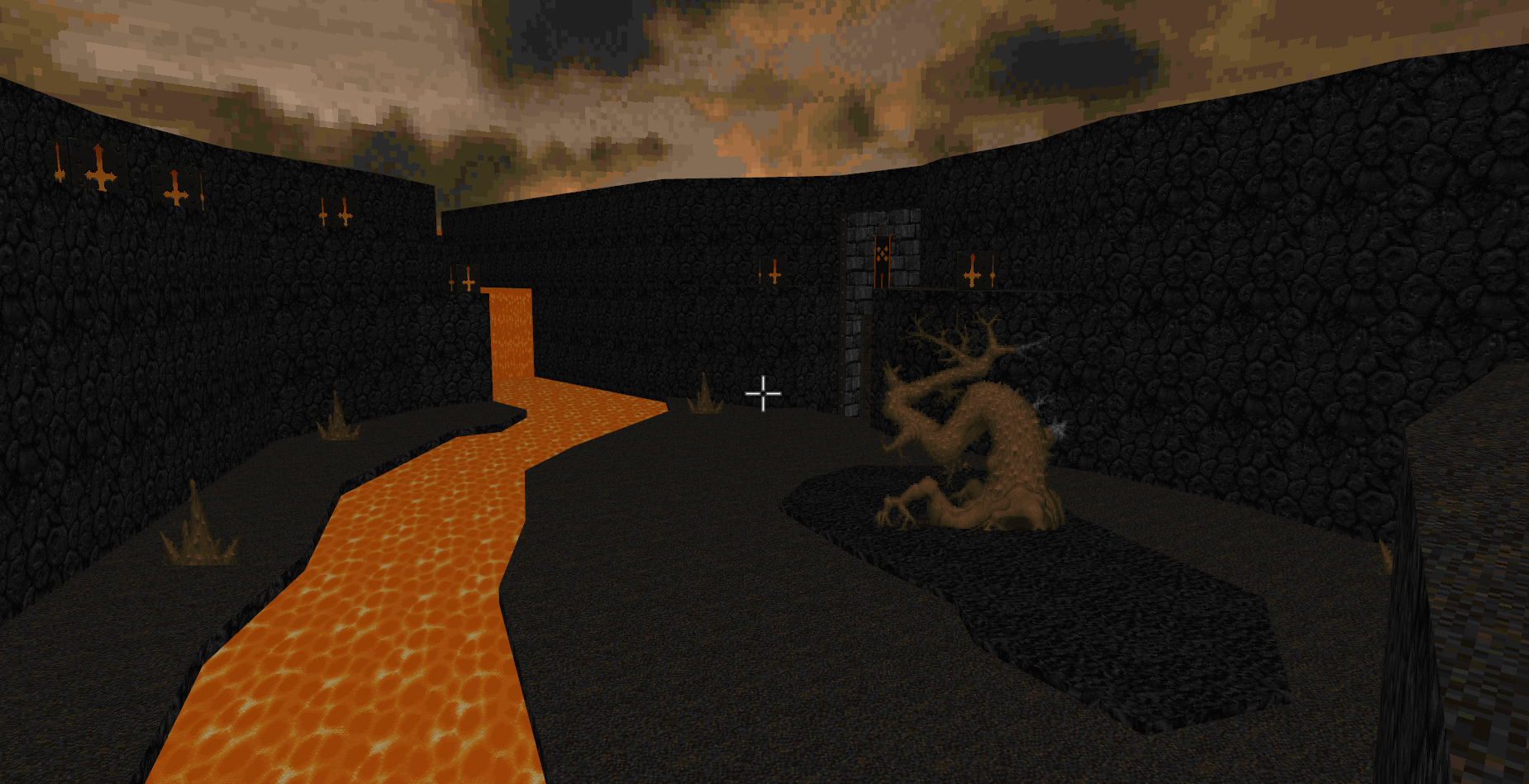
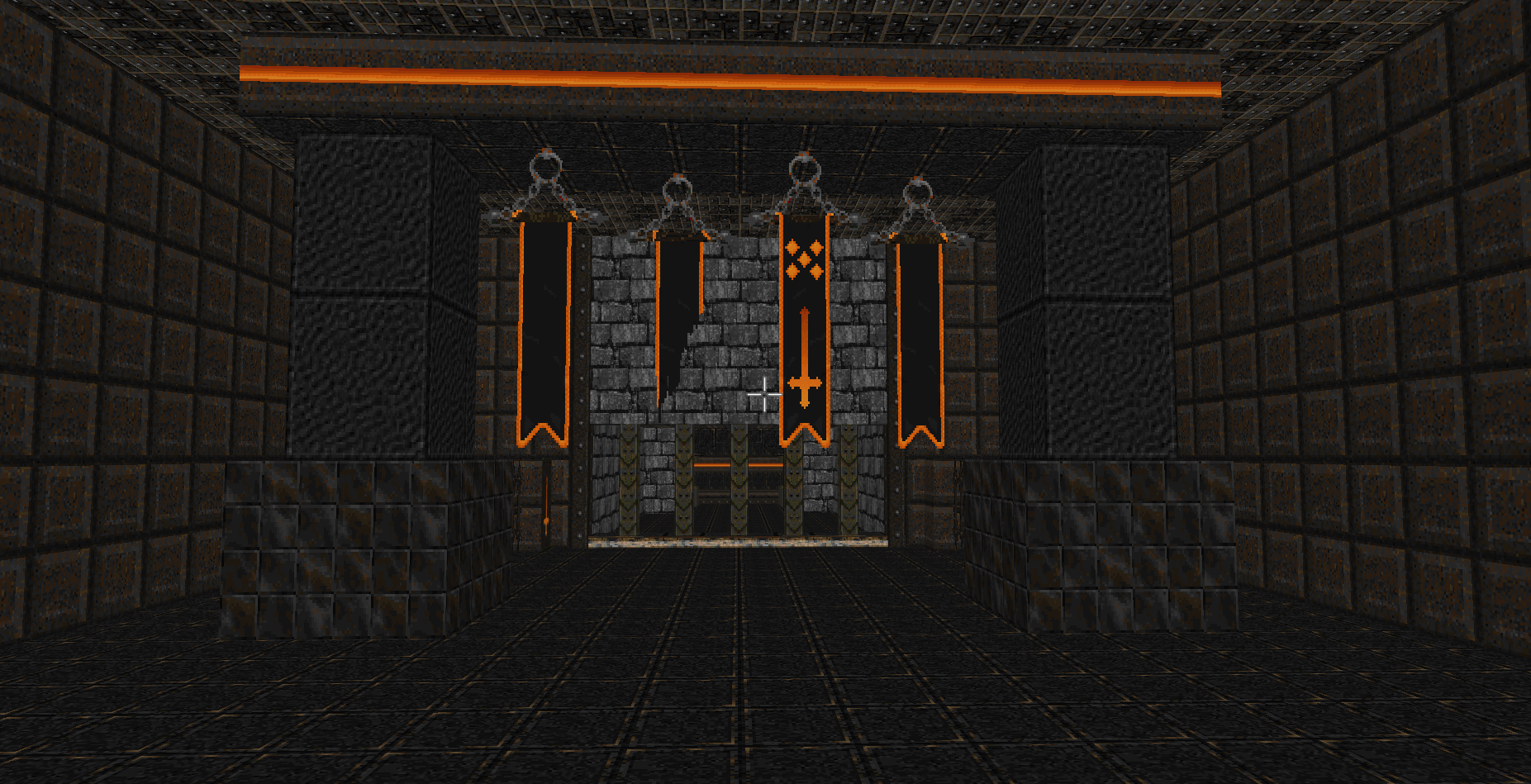
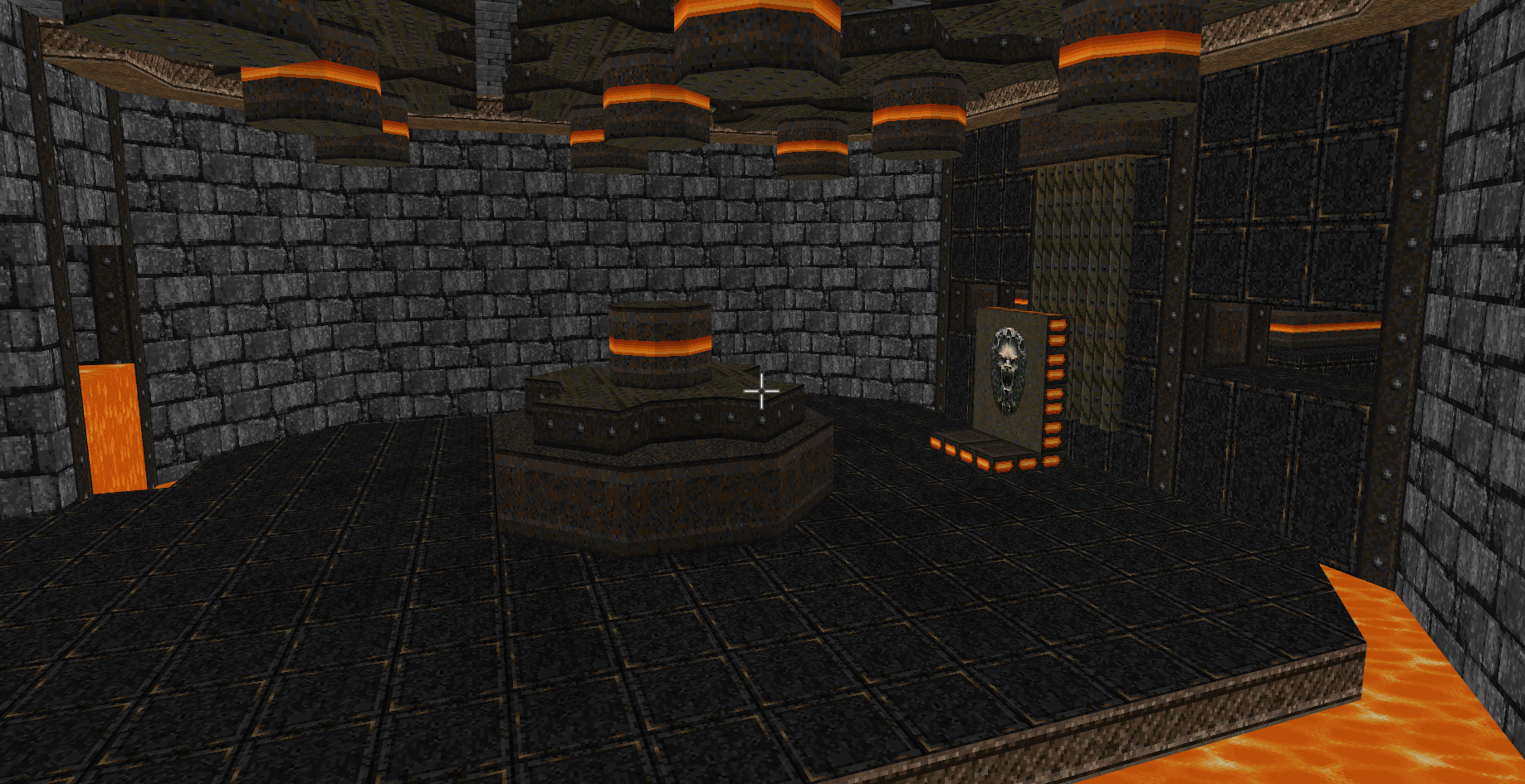
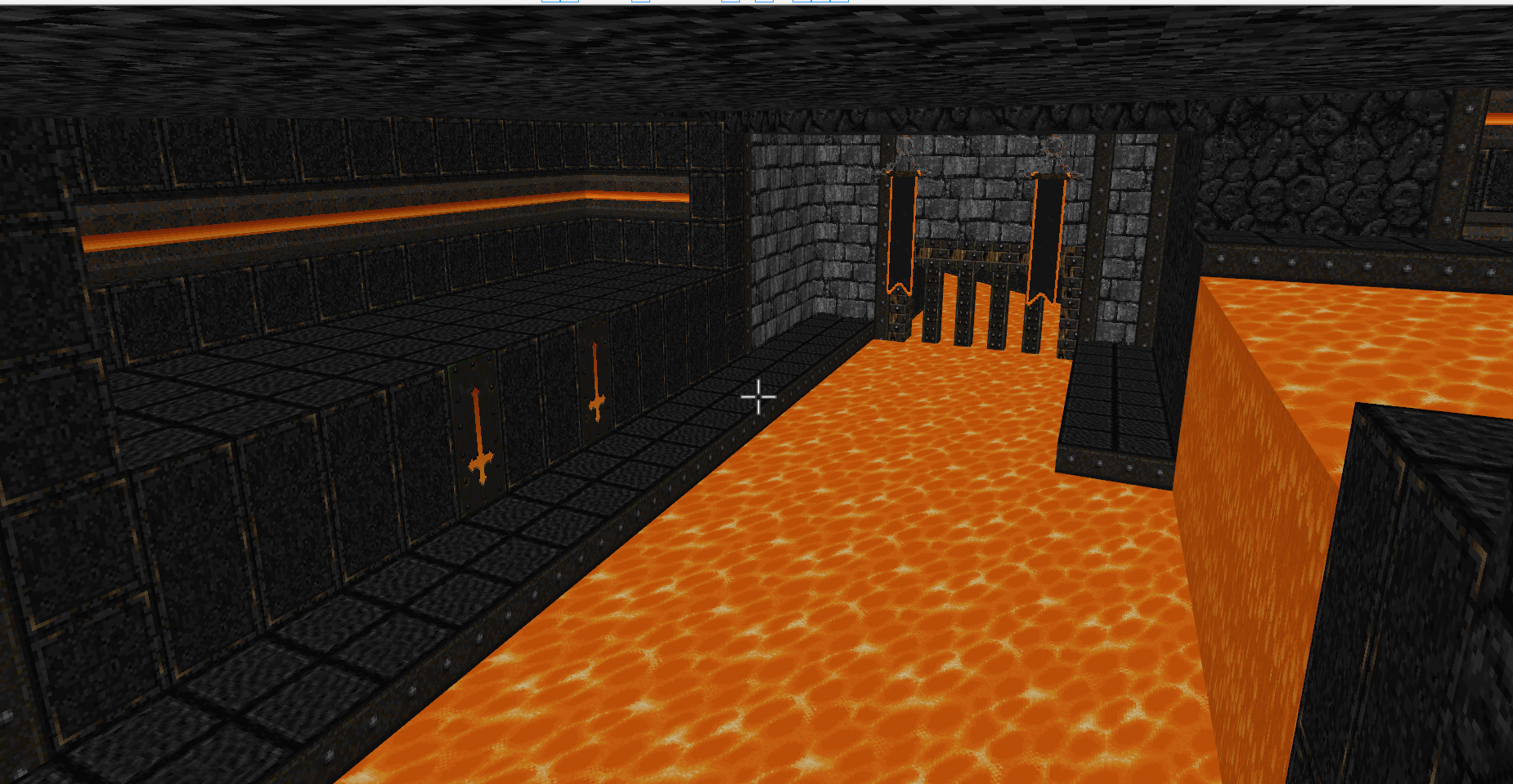
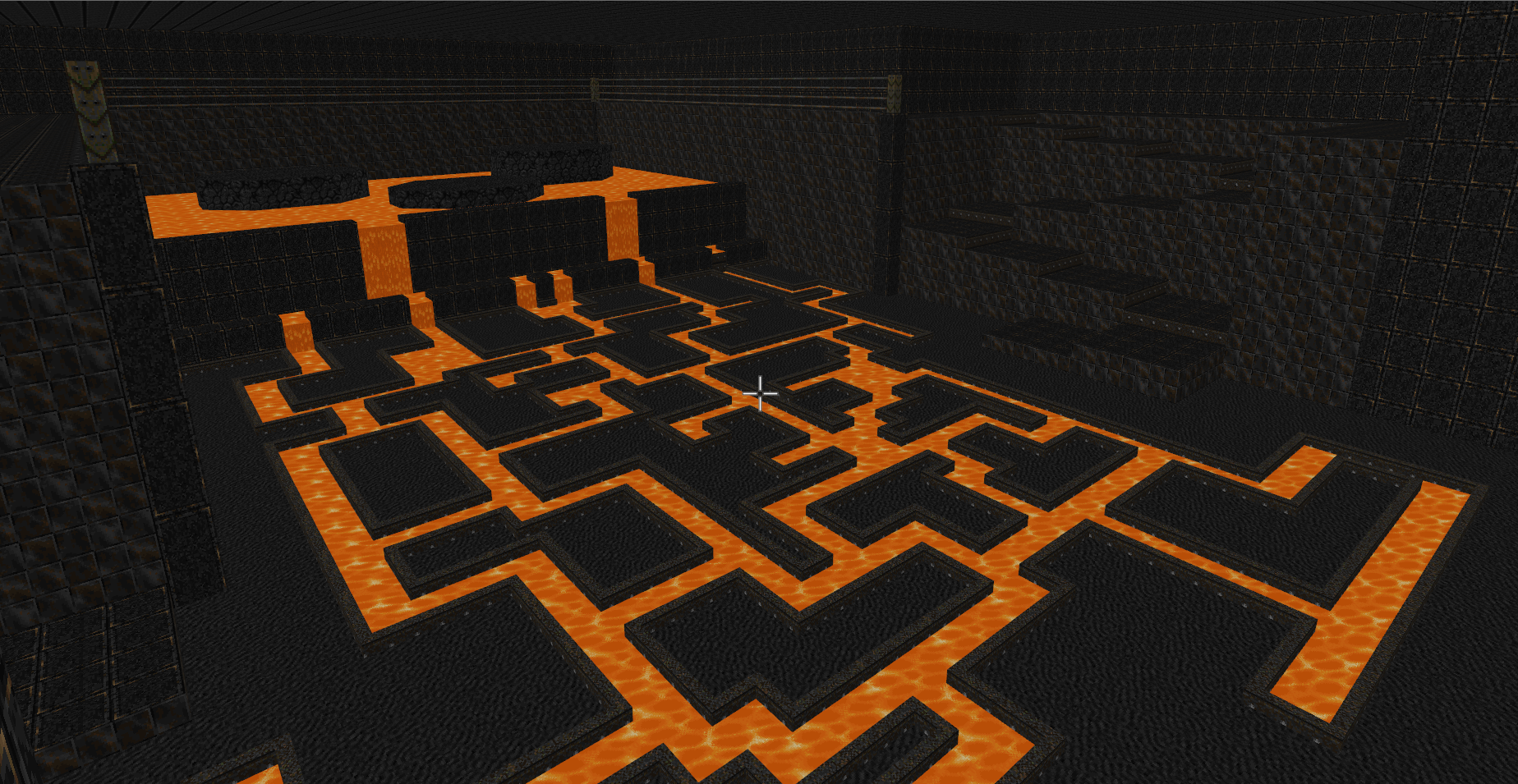
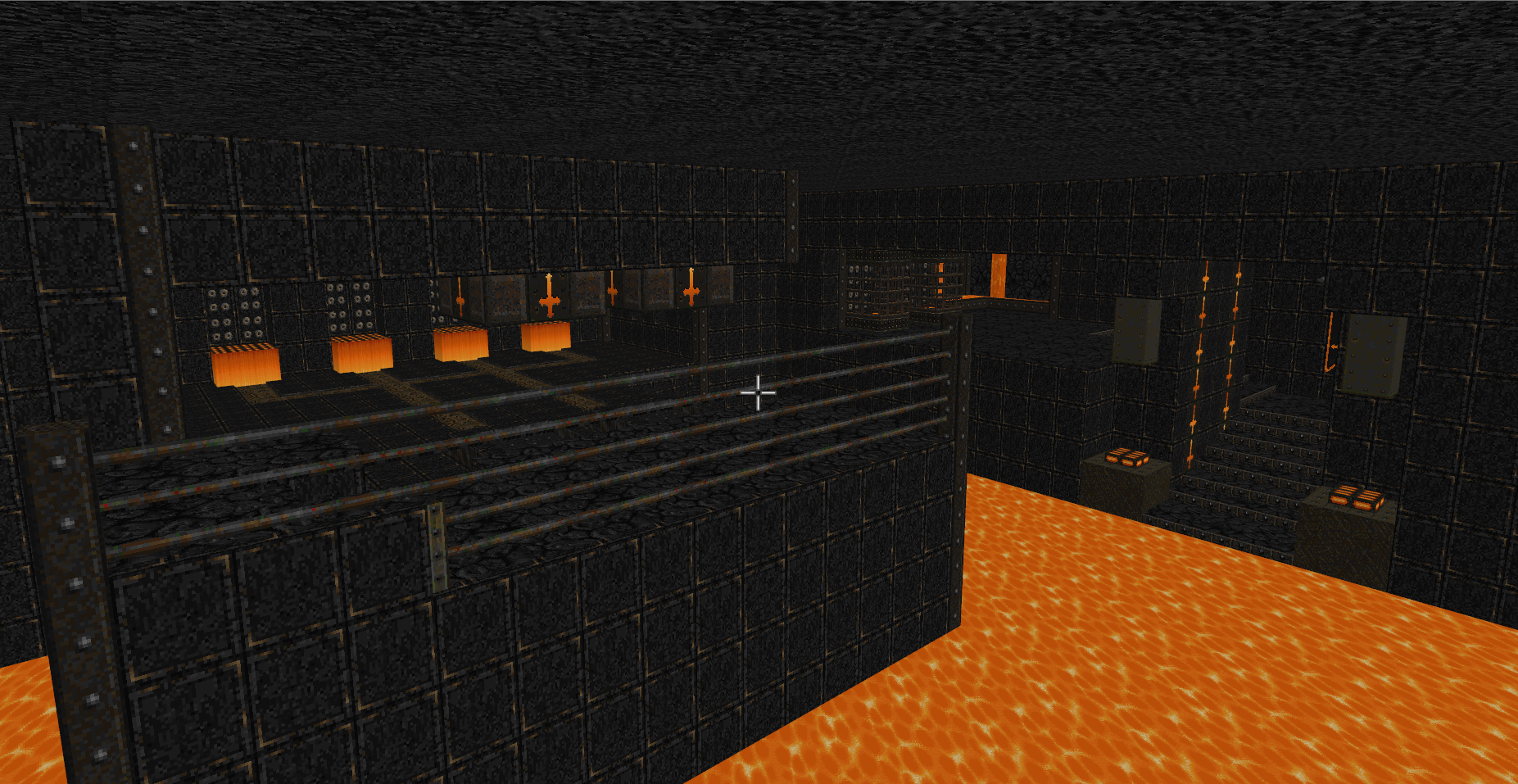
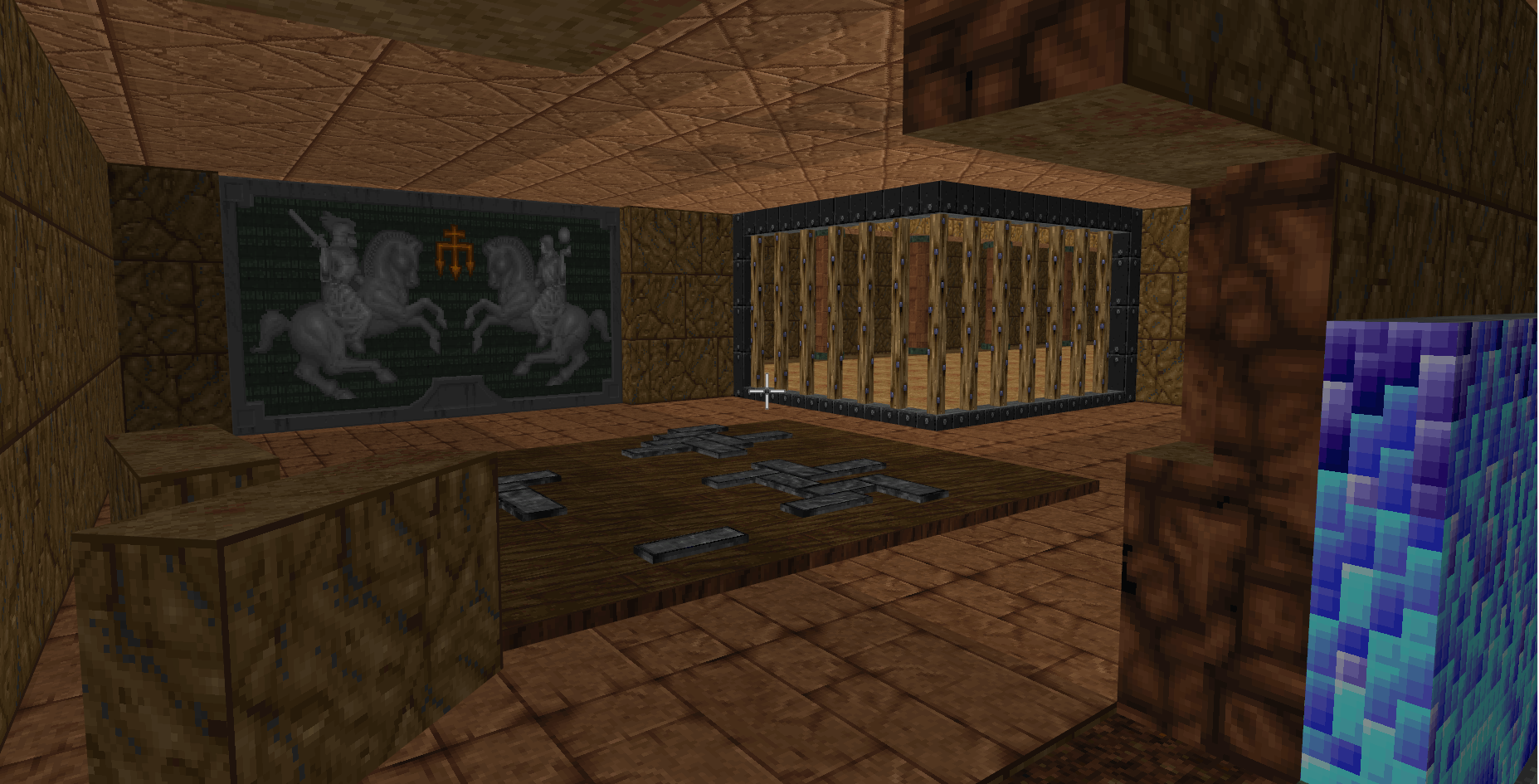
WIP of Halloween level. Ignore the default sky texture, something else is going there eventually. The valley and crypt is the beginning area before the player drops into a deep cavern that becomes a black and orange metallic hell.
I started to get the hang of decorative mid-textures after looking at how Skillsaw uses them. Study other authors’ levels to work out how they pull stuff off.
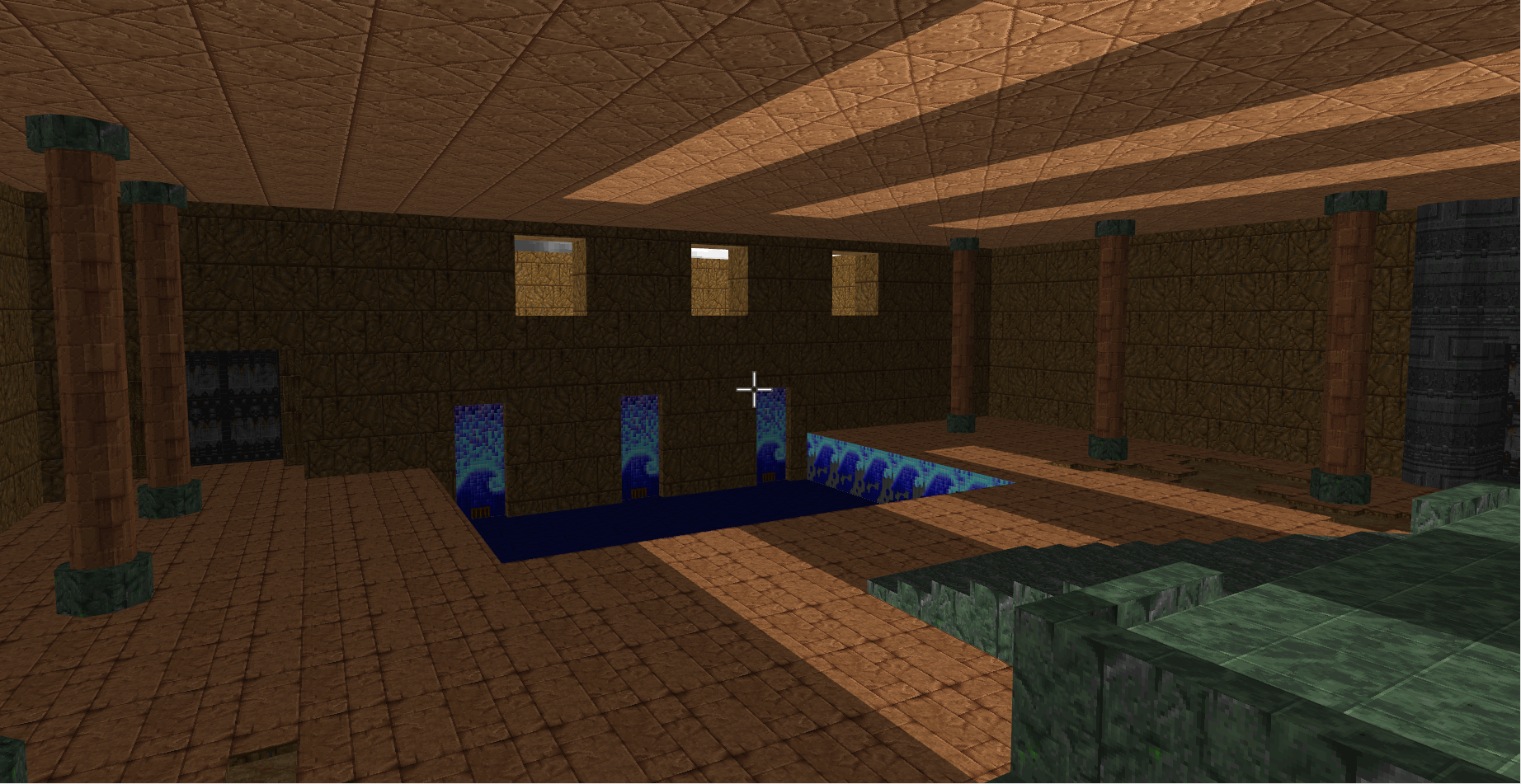
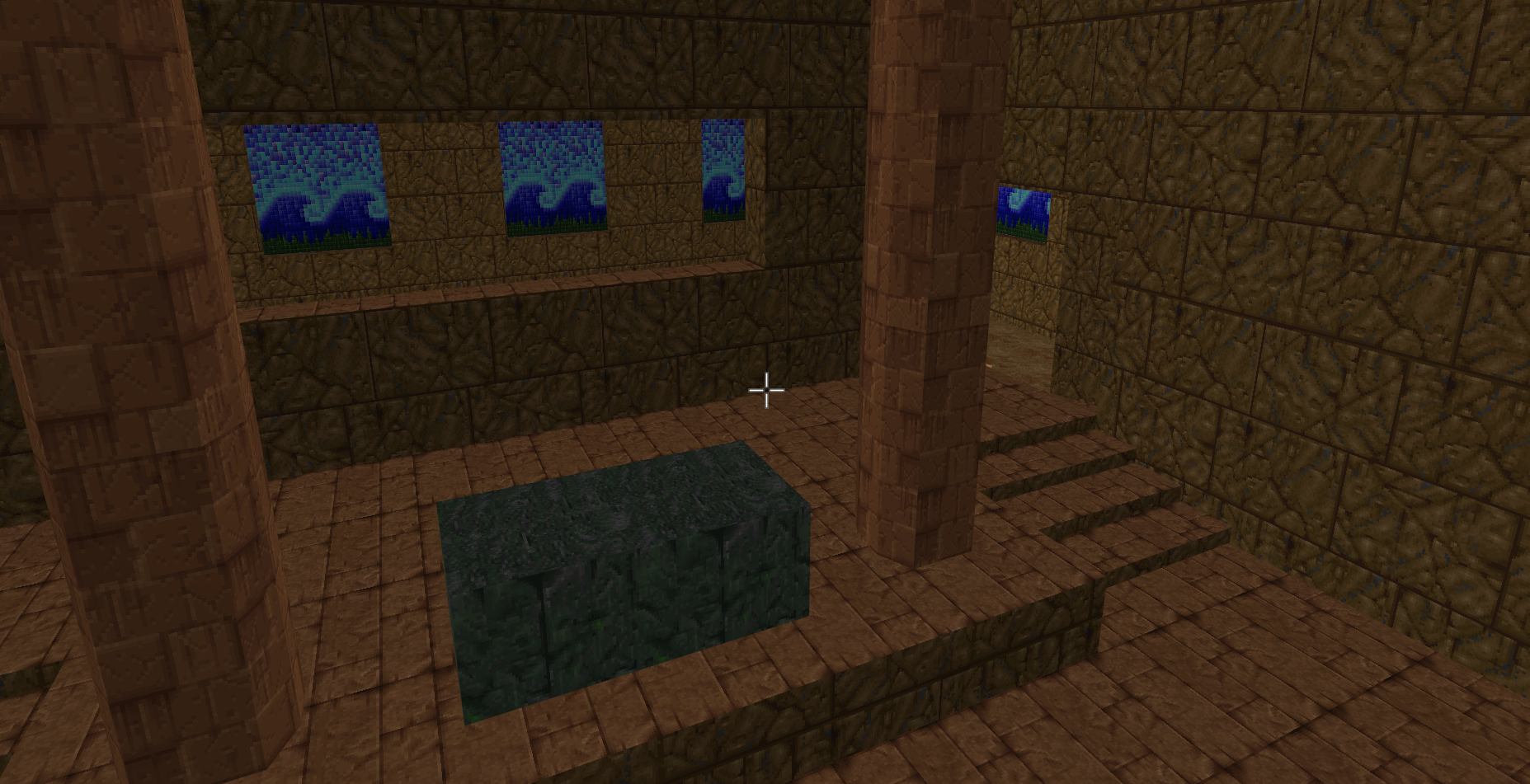
The Heretic level I made for the Heretic Upstart Mapping Project is finished. Here are some pictures I took while making it; I didn’t take pics of the finishing session, and with a busy day tomorrow at a not-so-new-but-incredibly-exhausting job, I think I need to go sleep now.
Play it when it gets added into the next release of HUMP.
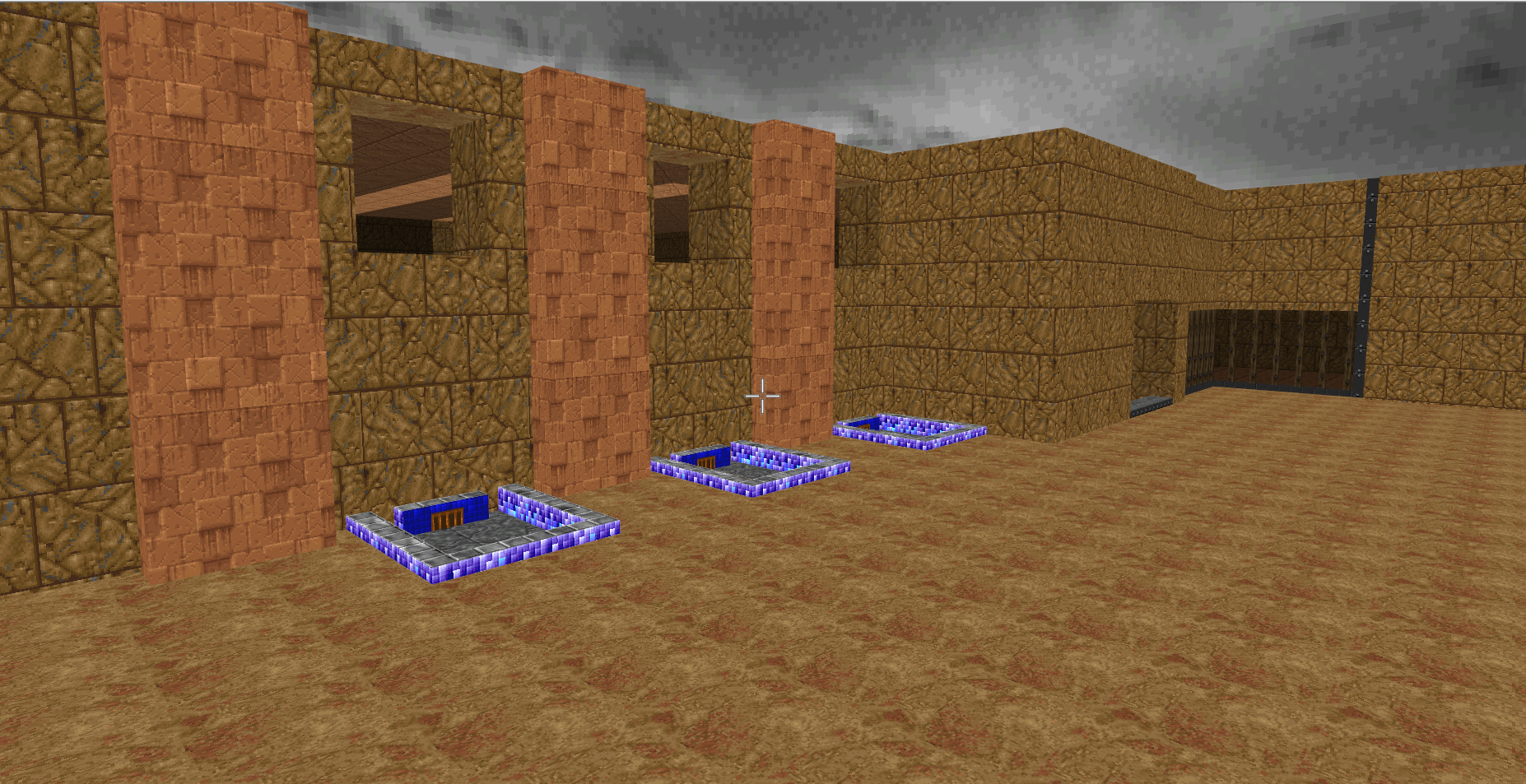
Work-in-progress level for HUMP (Heretic Upstart Mapping Project) “Oasis Temple”. This is the first area. Right now the map is quite large but the actual playable area is very small – almost the whole level is dummied out content.
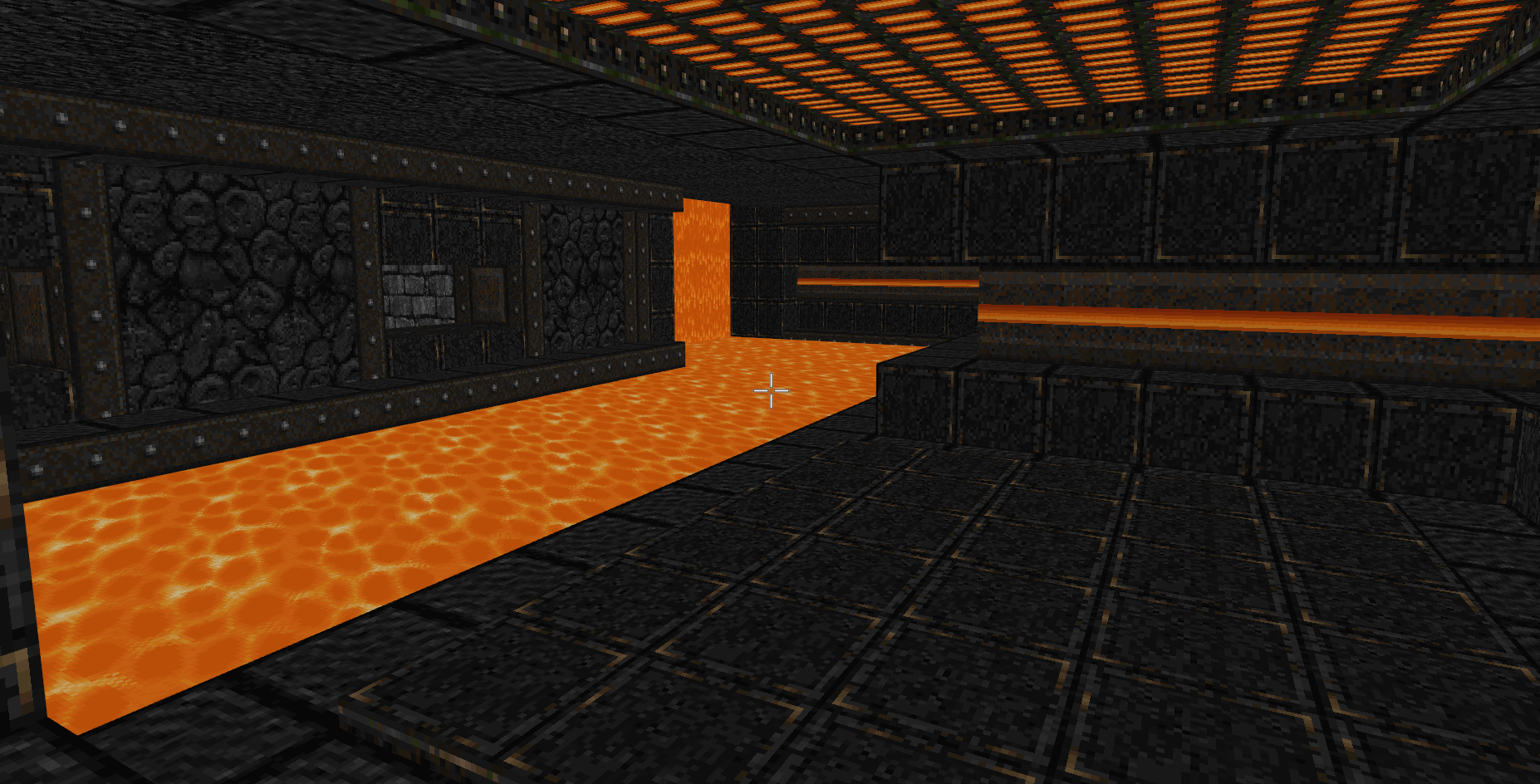
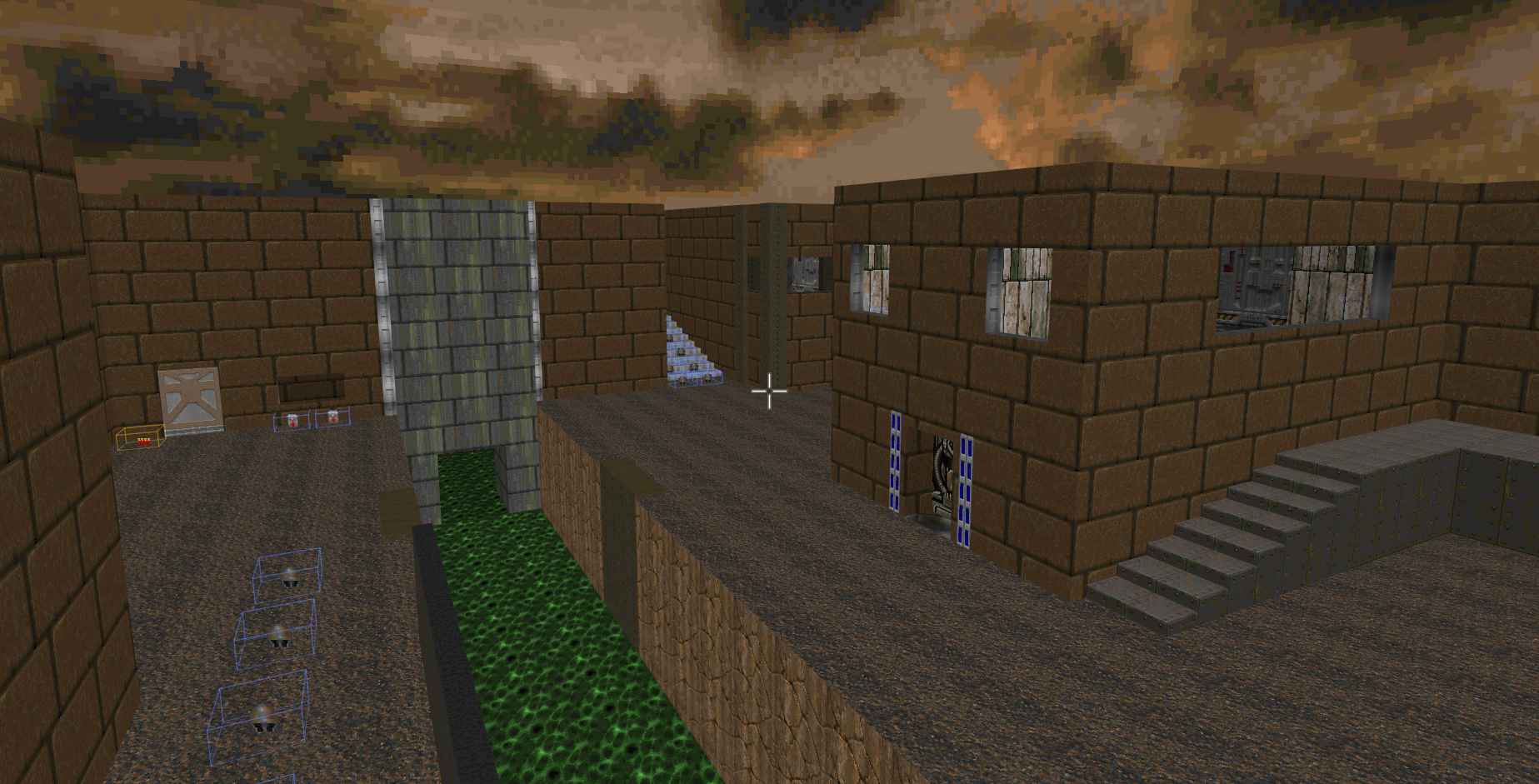
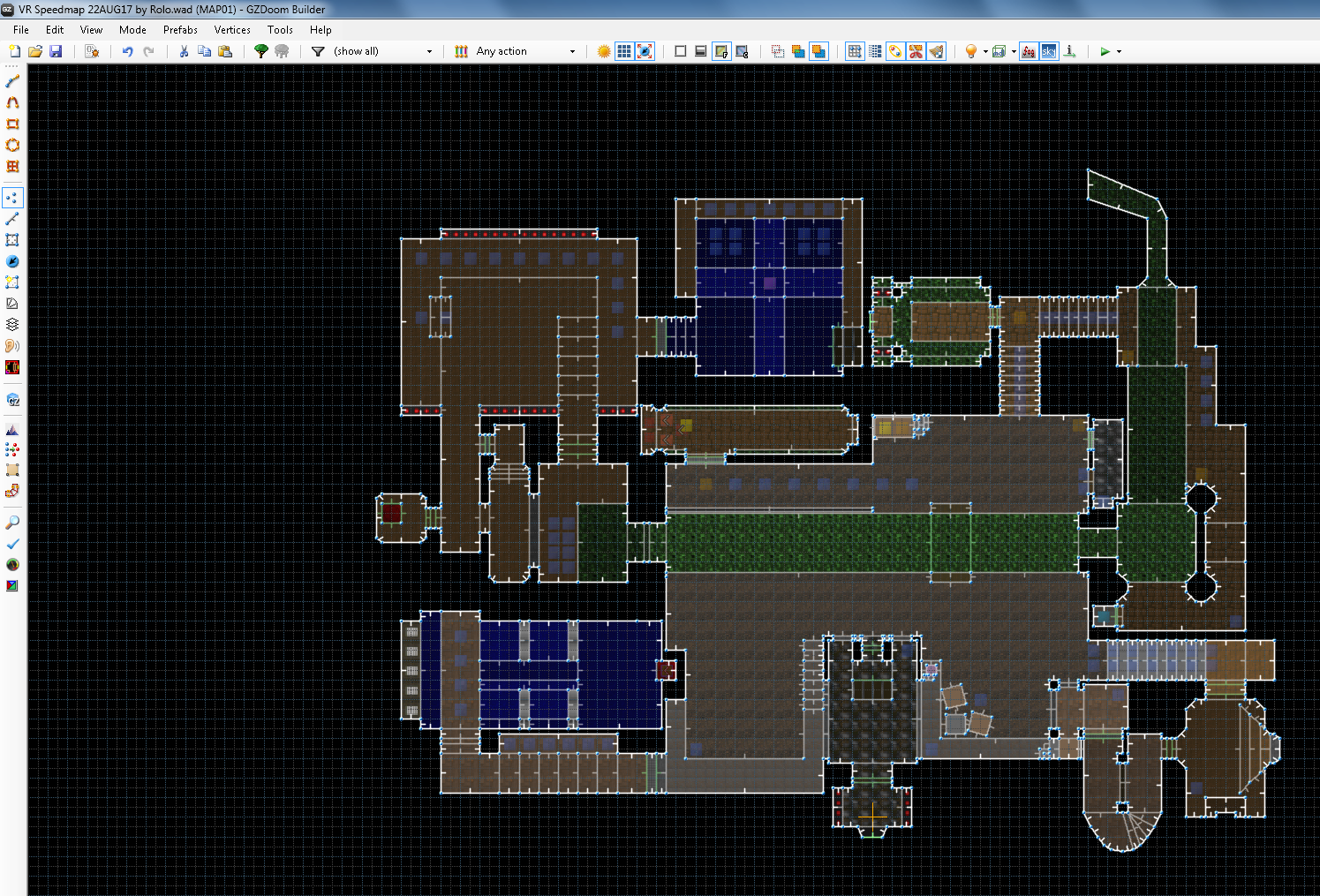
I’m finishing up a second submission for the “300 minutes of /vr/” speedmapping challenge. This one has gone a lot smoother than Syndicate. It’s a Doom 2 techbase involving crossing a trench of slime.
The pictures show
about 3 hours worth of work. All the tags, lighting and sector geometry
is done. The only things left are some teleport traps, monsters
placement and weapon pickups.
I’m 90 minutes in and I feel compelled to make a blog post about it. Here’s my thoughts on Dusk.
Dusk is a retro inspired first person shooter game that I’ve linked to previously. It doesn’t pretend to be a Quake-like 90s shooter while really being a procedurally generated rogue-lite. No. It really is a retro-inspired FPS. It has actual levels designed by an actual person, that offer variety, good map flow, carefully crafted challenge, and a sense of progression.
It’s good is what I’m getting at.
It’s amazing how much secrets they manage to cram into each level; I actually feel like I’ve learned something about level design from playing Dusk. Each level is full of secrets, some quite fiendish but virtually all of them signposted and dangled in front of you in some way.
The gameplay feels really smooth but took some getting used to. When I started I was surprised by the sheer speed at which everything moves. It took some getting used to; I initially thought it was too fast, with my character shooting across whole rooms and colliding with walls, but after taking a break and getting back to it, I didn’t have any issues with it at all. In fact the movement is responsive, precise, fluid, and just all around satisfying. Is it because I’d just come out of an extended map testing session using a keyboard only Chocolate Doom setup? Or has it really been too long since I last played Quake? Whatever the case, I jumped back in and had an absolute blast.
Did you know the best way to avoid a scarecrow’s
shotgun blast is to sideways power slide while you blast him away with
the double barrelled shotgun? Combat feels really awesome.
Levels
feel Duke 3D influenced, semi-linear environments made with ‘abstract
realism’. They all look like real places but not at the expense of
gameplay. There are also some underground sections that feel very
Quake-like.
Combat happens in encounters like in Doom or Duke, not in the arena style shooting of Painkiller, Serious Sam or Doom 4. While there are a few arena style challenges these are far from the norm. There are also some miniboss encounters which I found unusual for a Doom/Quake style game, but which are very welcome. Difficulty and Accessibility
Let’s talk about challenge. I played the game on Ciro Miede (hard mode, basically) and following the Gggmanlives review I expected it to be similar to Doom’s ultra-violence. Well, it wasn’t – it offered up a hell of a lot of challenge, but there are other difficulties too.
Difficulty doesn’t seem to affect the numbers of monsters, it alters their AI and other variables. Lower difficulty enemies move slower and take a bit longer to react. You also start with more health and your armour (actually called morale) is a lot more effective. I really like this kind of difficulty. I intentionally played a lower difficulty setting in a ‘tanky’, non-exploratory style, and did very well. While experimenting with lower difficulties, I felt pleased with the range of abilities it could cater to.
Difficulty levels vary from Accessible (for people with reduced mobility) to Ciro Miede (true hard mode) and Duskmare (a one shot kills novelty hard mode). I really think that the different difficulty levels will accommodate any gamer, and Dusk is probably the most disability friendly FPS game I’ve seen.
I find that interesting that Dusk is so inclusionary since most faux-retro indie games try to market themselves as exclusionary – things for high skill people who remember the Good Old Times and not filthy casuals. Dusk though, seems to be made by people who really love 90s FPS games and who want everyone to try 90s FPS games because they’re great fun. It really says a lot about them and their game, which seems to be a true passion project.
There’s a wider lesson there I’m sure. When the big AAA games companies try to make games “accessible” they alter gameplay according to narrow focus groups and strip out or water down core features for a (possibly imaginary) ‘casual’ audience. With Dusk, New Blood have made a game able to challenge ‘hardcore’ FPS veterans while also accommodating ‘casual’ newbies without sacrificing the complexity of their design.
Story
You wake up hanging on a meat hook underground. A disembodied voice calls out “Kill the intruder” and three huge guys step out of the darkness with chainsaws. You pull yourself off the hook and grab two sickles. It seems the whole town of Dusk has been overrun by a mysterious cult, so you’d better kill everything.
That is quite literally the entire
plot, but I look forward to over-examining the level visuals and
announcing that Dusk has the ‘deepest lore’.
The atmosphere really is something special. It’s horrifying. Despite
being a game about over the top running and gunning, Dusk exudes a
bleak, oppressive horror atmosphere. It’s scary.
Dusk is separated into three story episodes. Only episode 1
is available at the time of writing, but buying Dusk gives you access to
all three just like the Dooms and Dukes of old. Episode 1 (“The
Foothills”) is the protagonist escaping the farms and entering the town
of Dusk. It shows influence from Redneck Rampage, Blood, and every kind
of hillbilly-themed horror film. Episodes 2 will supposedly have more of
a military base or Half-Life theme, while episode 3 will be heavily
Lovecraftian and probably Quake-inspired.
The protagonist is
mute, but communicates via text pop-ups. Everything about them is up to
you to decide, but do note that there is a dedicated button for doing
tricks with you gun and a secret ‘smoke cigar’ option. The disembodied
voice talks to you a few times in episode 1, sounding exactly like
I imagine all 90s heavy metal band members to sound like, and he may or
may not be the mind-destroying Great Old One waiting for you at the end
of episode 3.
Conclusion
To summarize, I’m
really pumped about Dusk. The devs have made all the right noises and,
even better, they’ve actually followed up on that with decent gameplay
and strong map design. It’s clear there’s a lot of love gone into
development.
Dusk really is a return to form for the FPS genre.








 The Nephrite Games Blog