“Now that I’ve played Duke Nukem 3D and Shadow Warrior, there’s only one of the Big Three build engine games left to try.”
“Hmm… I’ve finished D3D and SW on hard, so I’d better put this on the ‘Well Done’ difficulty.”
TEN MINUTES LATER…
Blood is kicking my ass.
The difficulties were made with co-op in mind. If you’re an FPS veteran, play it on the middle skill. If you’re a little less sure, play it on one of the two skills at the top. No shame. Blood on medium and higher is brutally hard, but it’s also one of the greatest FPS games ever made.
Everything about it is masterfully done. There’s so many barely-noticeable bits of ‘game feel’ that make the combat fluid and satisfying. Highly recommended.
I knew how Strafe was going to turn out. I read the dev updates. I
saw it coming. Strafe was more or less unplayable on my laptop but even
then I knew I didn’t miss anything. What a waste.
The devs have since given it a massive much needed overhaul called ‘Millennium Edition’ and I gave it a go.
What
is new? New room layouts (especially for the first zone, which is the
blandest and worst designed environment in the game), loads of new
monsters, new gun sounds, and performance optimization.
I had fun.
This might be because I’ve been cleaning black mold from a dank cellar all day.
There’s
still balance issues. The AI still doesn’t feel quite right. The
shotgun’s grenade upgrade is still a straight downgrade. Loot still
feels too expensive. Armour is far too expensive for what you get. The
jellyfish vents are still shit. It takes too long to get back into the
game after dying.
I played it for half an hour, which is
longer than I could stand to play the original. I enjoyed it and I’m
going to play it again. I like the new layouts, monsters and weapon
tweaks. If you’ve already bought Strafe you should try it.
I can’t recommend it to new players though. Maybe after the next overhaul.
I’m still writing a miniatures game. In fact all of the actual rules
are in place, I just need to finalize the vehicle rules and the stuff
that’s going in the ‘expansion pack’. Everything after that is balance
tweaks and points cost adjustments. FRAG is a tabletop battle game
that adapts 90s FPS games into a nominally 28mm (actually scale neutral)
mass combat system where armies of combatants clash in huge
engagements.
Let’s have a look at how the factions of FRAG have turned out:
The Lost Battalion – An
army of dimension jumping bad asses founded by the damned survivors of a
Hellish incursion. Elite troops, very mobile, devastating heavy
weapons.
Hell – The baddies from Doom. More demons
inspired by other sources will appear in the expansion. Large hordes,
strong characters, lots of spells. Character have a lot of options with
bionics, spells, and hellish upgrades.
The Sidhe – A
non-human race of mystical adventurers and knightly orders, dedicated to
fighting demons. Hard to pin down in melee and able to use a variety of
sneaky gadgets (including a Tome of Power analogue).
The New Order – Regular
humans that fight alongside super-science and necromancy. They come
from an alternate reality where European fascists made a pact with “the
endless dark”. Weak regular troops but powerful special options.Nazi zombies are DLC only, sorry.
Earth Defense Force – Earth
is backwards and repressive compared to the newly independent colonies,
but it outnumbers them millions to one. The EDF are the people in
charge of keeping it safe. They need to carefully deploy heavy weapon
teams to get the most out of their firepower.
SHAMAN – A
rogue AI turned bio-mechanical horror. Mixture of System Shock / Quake 2
influence. Most SHAMAN troops have a chance to self-resurrect. Can take
special packs of screaming Kamikaze.
Personalities – Various ‘hero’ characters for use with certain armies. Various
characters based on popular mods like High Noon Drifter and Project
MSX, also Shadow Warrior, Duke Nukem 3D, DUSK, Chasm: The Rift, the Doom
movie, Doom 4 and Id Software’s D&D campaign.
Currently working on – Vehicle Rules – Better scenario rules (optional rolling for mission types, not just extermination missions) – More equipment (weird rocket weapons for the New Order, better artillery and air strike rules for the EDF) – More Personalities – Indoors skirmish system (working prototype)
Stuff being considered
– Whether to add more elite units to the Sidhe and SHAMAN lists
– Mini-Factions and sub-factions like Kage Corp (corporate samurai!),
the Church of the Old Blood (cultists!), the Colonial Union (the high
tech space humans), and a skeleton themed Hell faction – Balance issues – Rules readability
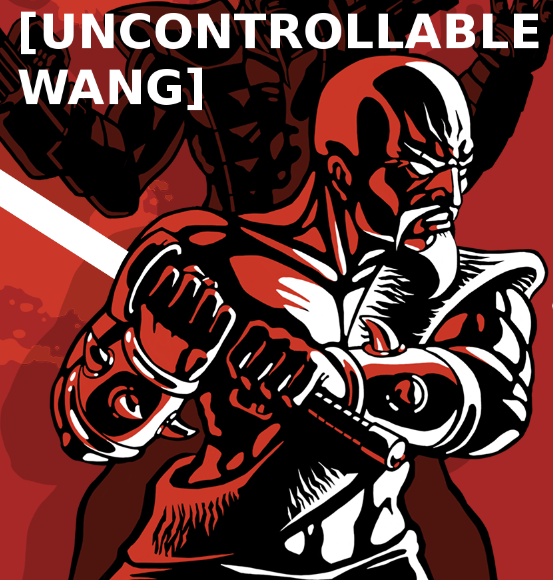
Who wants some Wang?
Over the summer I played through Shadow Warrior and all of its’ expansions
using the Shadow Warrior Redux port available on Steam. It’s finally time to
write about that experience.
Shadow Warrior was 3D Realms’
successor to Duke Nukem 3D. While Duke was a Hollywood badass, Shadow
Warrior’s hero is an over-the-top Asian badass with callbacks to Hong
Kong action films and Japanese ninja shows.
Shadow Warrior was
less successful than Duke 3D, probably due to releasing so close to
Quake which made it appear dated by comparison.
The Introduction
I first purchased Shadow Warrior Redux last year, but I struggled to get
into
it. Duke Nukem is eminently accessible. Hardcore, but accessible. I’m
going to
spoil things now and say that I ended up loving Shadow Warrior. It’s
Duke Nukem dialed up. Less accessible, more hardcore, and in the end
satisfying as hell.
My first attempt at Shadow
Warrior left a mixed impression. The standard shuriken weapon felt under-powered, it was
hard to melee the enemies. I stuck with it; learning to use the basic
weapons, find new weapons, and how beat the elite ninja with
the instant death attack. The game made me git gud and after that things
started to get pretty damn enjoyable.
But after that I got stuck looking for a switch. So the first
impression was a mixed bag. I stopped playing and took a long break from it.
As I wrote earlier, I finished Shadow Warrior and every expansion over
the
summer. After a few months hiatus I started a new game, stuck with it
and had a blast. It takes longer to get into then Duke or Doom
but it is great.
The Levels
Shadow Warrior has a lot of content to get through. Levels are themed
around
Asian city streets, rural valleys, mountain tops, temples, and isolated
bases.
Most levels are highly complex and key hunting is a major feature. Duke
Nukem’s abstract realism is kicked
up a notch, giving the sprawling levels a strange and almost dream-like
quality to progression. The juxtaposition between urban realism,
abstract
countryside, ancient temples, high tech bases, and mystical weirdness
works to create the feeling of a pleasantly bizarre adventure. It’s like
stumbling through a shifting dreamworld. Sometimes levels appear to be
linked
with a strong connecting storyline, and other times you’ll find yourself
catapulted into a bizarre new environment with no idea how you got
there. Again, a strange but pleasant experience.
The levels are complex and lots of
fun, but you need to keep your eyes open. There were perhaps three or four
moments in the game where I felt completely lost and play ground to halt for
five to ten minutes.
Gameplay
I mentioned the shuriken felt under-powered earlier. That’s because the shuriken
is not Shadow Warrior’s iconic weapon. High level play depends on the rocket
launcher and grenade launcher. Both are satisfying and dangerous. The grenade
launcher has a massive blast radius that you’ll need to get used to, and is used
for clearing out rooms. The rocket launcher is for dealing large amounts of
damage to single enemies.
Perhaps appropriately, Shadow Warrior will put you into a kind of zen state
where you end up leaping across the level blazing away with machine guns and
bombs, clearing out unexplored chambers with high powered grenade launchers,
blowing up tankier monsters with rockets, and finishing off the stragglers with
shotguns and railgun blasts.
Generally the weapons are a lot of
fun to use and when you’re in that zen state you’re in one of the best
shooting experiences in FPS gaming.
Story and World Shadow
Warrior (1997) rides the early
80s to mid-90s wave of badly dubbed kung fu parodies and ninja shows,
which
were the only thing most westerners knew about China and Japan at the
time. It was accused of racism when it came out and it can be hard to
argue against that; but despite the puerile
parodies Shadow Warriors’ approach to Asian culture at least seems to
come
from a place of love, even if not one of respect. The developers were
clearly
fans of anime and Asian action cinema, they just weren’t interested in
making a
serious or sensitive story line. Nor does Shadow Warrior need a serious
storyline or a deep look into a new culture – it’s pure gameplay with a
paper thin plot and a massive amount of penis jokes. Everyone’s mileage
may vary, but I’d advise any shooter fan not to miss out on Shadow
Warrior because they don’t like the faux Asian styling.
The plot is simple: you are Lo Wang,
kung fu badass and former bodyguard to of the head of Zilla Corporation. Lo
Wang is betrayed by Zilla. Lo Wang embarks on a quest for vengeance. Body parts
fly and anime babes who don’t fit the art style respond to Lo Wang’s clumsy
pick-up lines with automatic gunfire.
Sometimes Shadow Warrior slips from silliness into cringey childishness, but it’s mostly silly fun.
Lo Wang is a dumb character but he’s also a really distinct character. It’s like the game as a whole.
There’s something oddly mischievous about
him. He giggles with glee when the explosions start. He’s a complete wise-ass
who’s having so much fun that in the end I found it hard not to get attached to
him. As downright stupid as Shadow Warrior is sometimes, I couldn’t help crack
a smile when using a phone caused Lo Wang to make a silly prank call.
Hello, is Big Bottom there? First name Iva. Iva Big Bottom? Heeeheeeheee!
Conclusion Shadow Warrior is an ultra-violent,
grossly offensive and ridiculous load of nonsense – and I loved it.
Shadow Warrior doesn’t give a damn what you think about it. It is what it is; a hardcore experience designed
by a team of weirdos with a lot of experience making FPS games. It was made in 1997 for
experienced first-person shooter fans, mixing late 90s architecture with early 90s design sensibilities.
I felt genuinely sad when I finished
it and all the expansions. Someday I’ll return to Shadow Warrior and re-join Lo
Wang the giggling idiot ninja.
I recommend Shadow Warrior.
EDIT:
I did encounter a rare but recurring bug in Shadow Warrior Redux where
the mouse stopped responding. The first expansion pack also has some
glitchy sky textures near the end (although this might not be the port’s
fault). Neither were deal breakers.
“Long ago in a distant land, between the time
when the oceans drank Atlantis and the rise of the sons of Aryas, an
unspeakable evil was unleashed onto the land! But a mighty thew’d
Cimmerian warrior wearing the jeweled crown of Aquilonia stepped forth
to oppose it. Before the final blow was struck, the wizard Thoth-Amon
summoned a creature from the Outer Dark, where the Great Old Ones’ evil
is law. Now the king wishes to return to the glories of the past, and
undo the future that is the 2011 Conan reboot.“ – Akiro the Wizard, circa 10,000BC
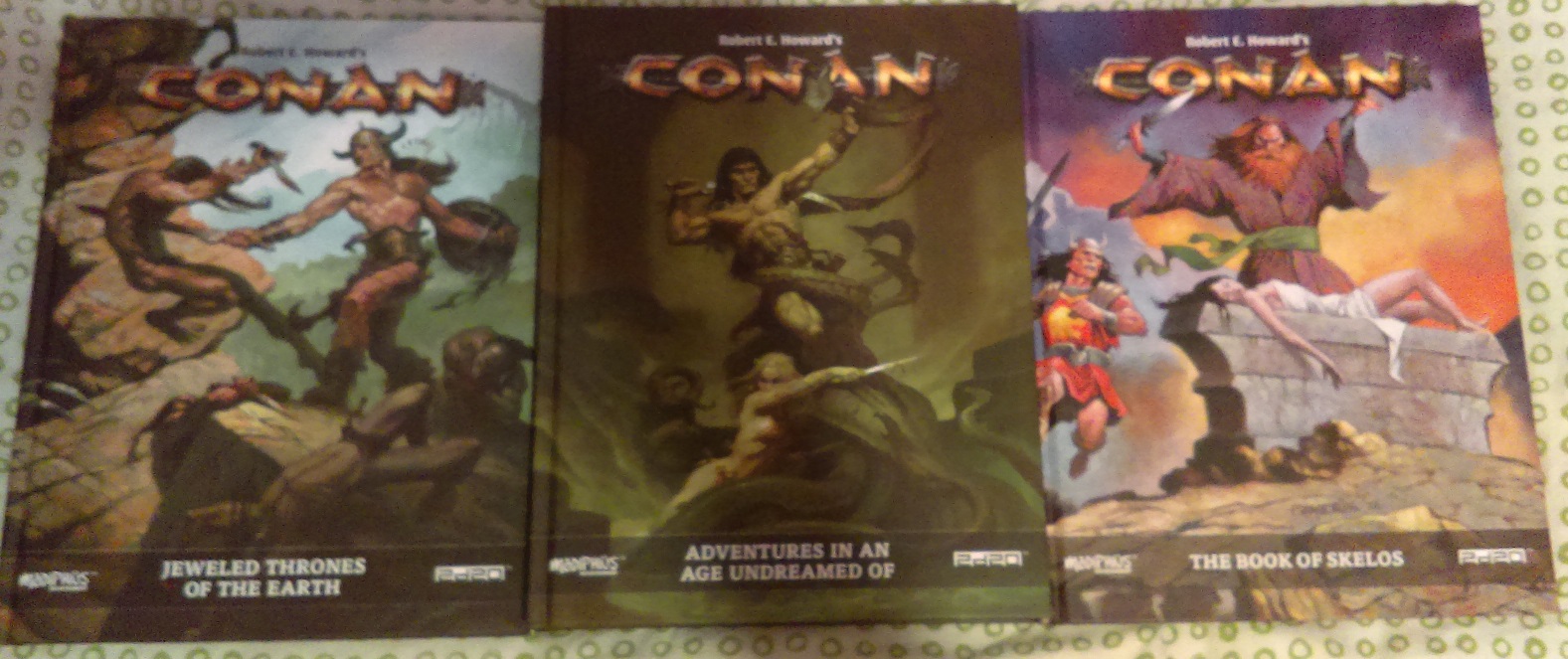
Hey so guess what arrived today.
Modiphius’
Conan RPG uses the 2d20 system, which is also used in my current
tabletop group’s campaign, Mutant Chronicles 3rd Edition. There are,
however, isome small but important differences. Generally it is clearer,
with small changes made because of extensive playtesting since the
release of Mutant Chronicles; other changes are due to genre (from
schlocky science-fantasy to Weird Tales pulp fantasy).Changes
include an overhauled character creation, abstract damage systems (you
take temporary ‘stress’ damage and can take up to five levels of ‘harm’
damage, instead of tracking hit points), and a surprisingly elaborate
number of special “Displays” which attack enemy morale. I also feel that
some re-wordings of the skill success system put the default emphasis
on players making up cool details instead of just buffing their attack
(which was the case in Mutant Chronicles).
2d20 is a weird beast; compared to D&D, it’s more narrative driven with some interesting unique concepts like Fortune (points that let the players do good stuff), Doom (that let the GM do all sorts of nasty stuff) and Momentum (spend your skill test successes on fun stuff). Conan does a better job of explaining these than Mutant Chronicles. I’m looking forward to trying it.
There’s clearly a lot of love for Conan among the writing staff, but I’ve only just gotten this so I can’t judge it in-depth yet.
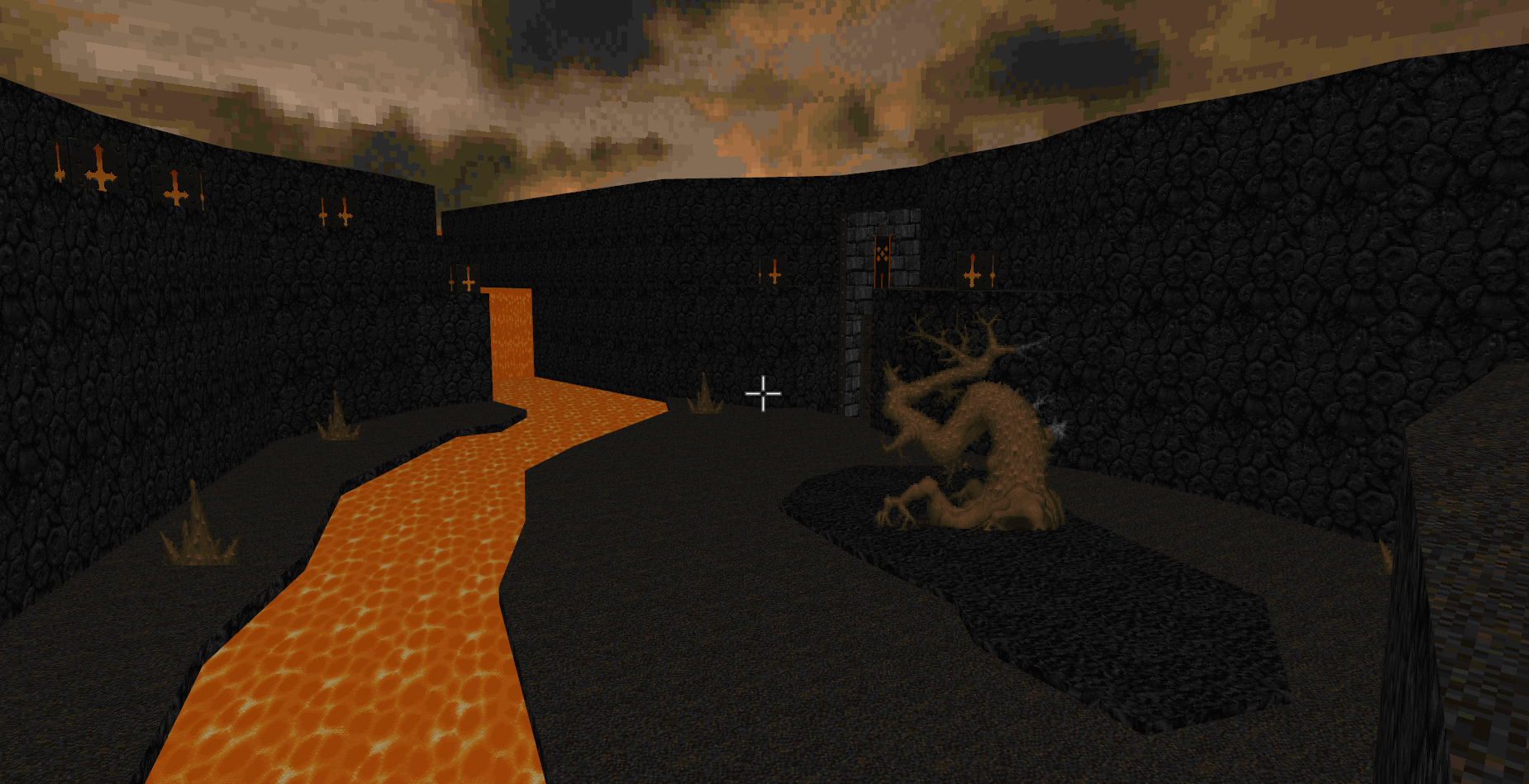
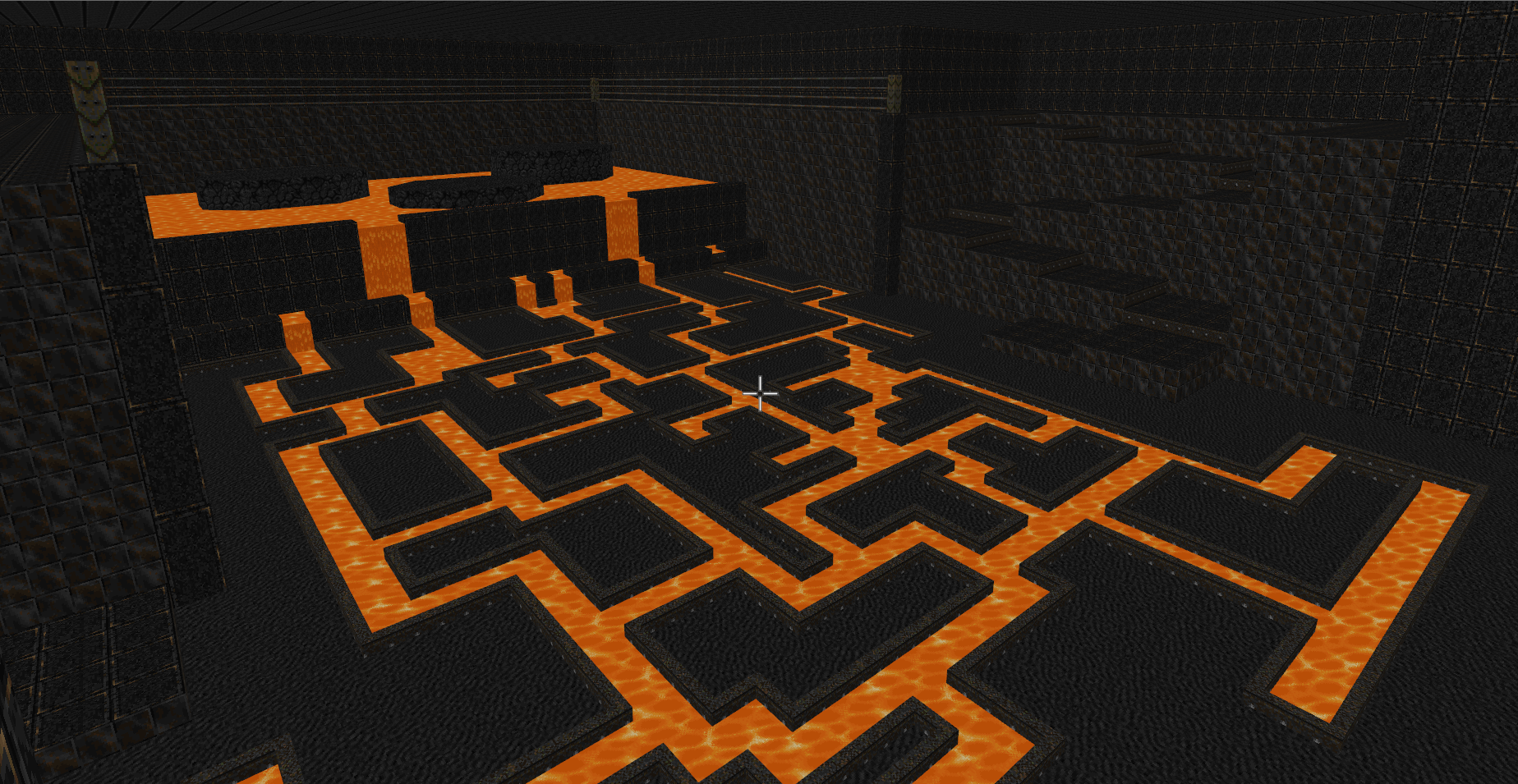
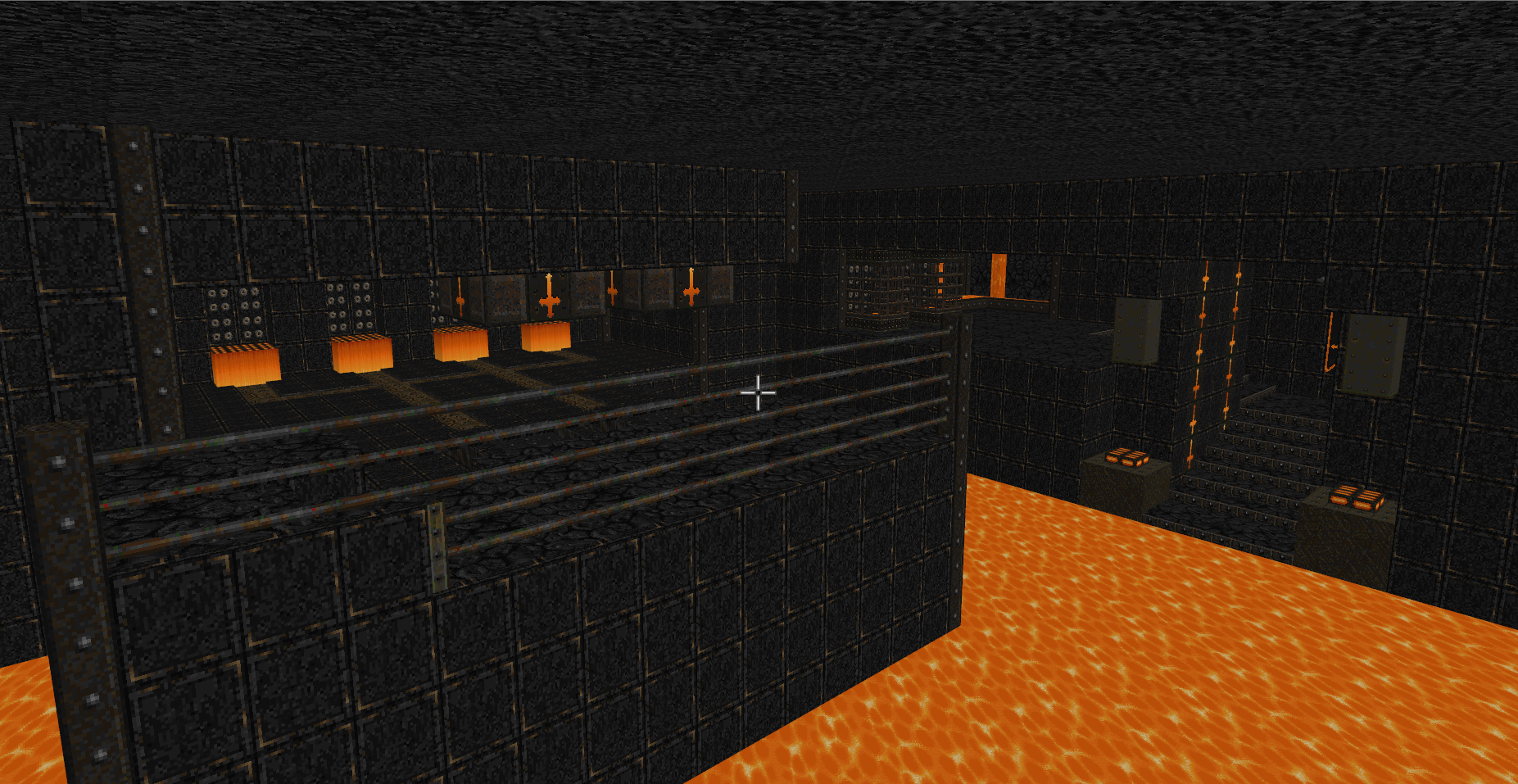
WIP of Halloween level. Ignore the default sky texture, something else is going there eventually. The valley and crypt is the beginning area before the player drops into a deep cavern that becomes a black and orange metallic hell.
I started to get the hang of decorative mid-textures after looking at how Skillsaw uses them. Study other authors’ levels to work out how they pull stuff off.
“Any advice for beginner Doom Mappers with no ideas for the full picture?”
I can vouch for the tried-and-true method of just jumping in and teaching oneself everything about Doom mapping, since it is a very accessible medium of creation – seriously, drawing simple lines and shapes is really all it takes… well, okay, maybe not.
However the community itself is rich in resources to help you get off the ground. There are editing tutorials all over the place:
This one by Eevee is definitely worth checking out if you want a no-nonsense tutorial for starting your first map all on one page.
Of course there’s a lot beyond this – and you might want to make maps, and be able to, but be quite stuck for actual ideas. Again, the community is there to help.
There are name generators and
theme generators
out there. Of course some of these are ineffably silly, but hey,
sometimes a silly idea might stimulate you creatively in ways you’d not
previously considered.
OBLIGEis
a level generator that can help you gain a general idea of how a Doom
map layout can work. It is generally frowned upon to use these
layouts “out of the box” though, so use them for inspiration, but don’t go generating a bunch of maps and then releasing them. 😛
The Doomwiki is a great resource regarding specifics of the engine.
There are innumerable community projects ongoing at any one time, especially on Doomworld,
with specific restrictions like using a certain size of playable area,
or specific enemy placement. Limitations breed creativity, so hopefully
you’ll find one that stimulates and challenges you!
Just doodle! Find some blank paper, whether it has lines/squares or not, and get sketching. Interesting things are bound to arise.
Play a lot of Doom. Seriously. The maps the community makes are invaluable sources of inspiration. We’re a stupidly creative bunch.
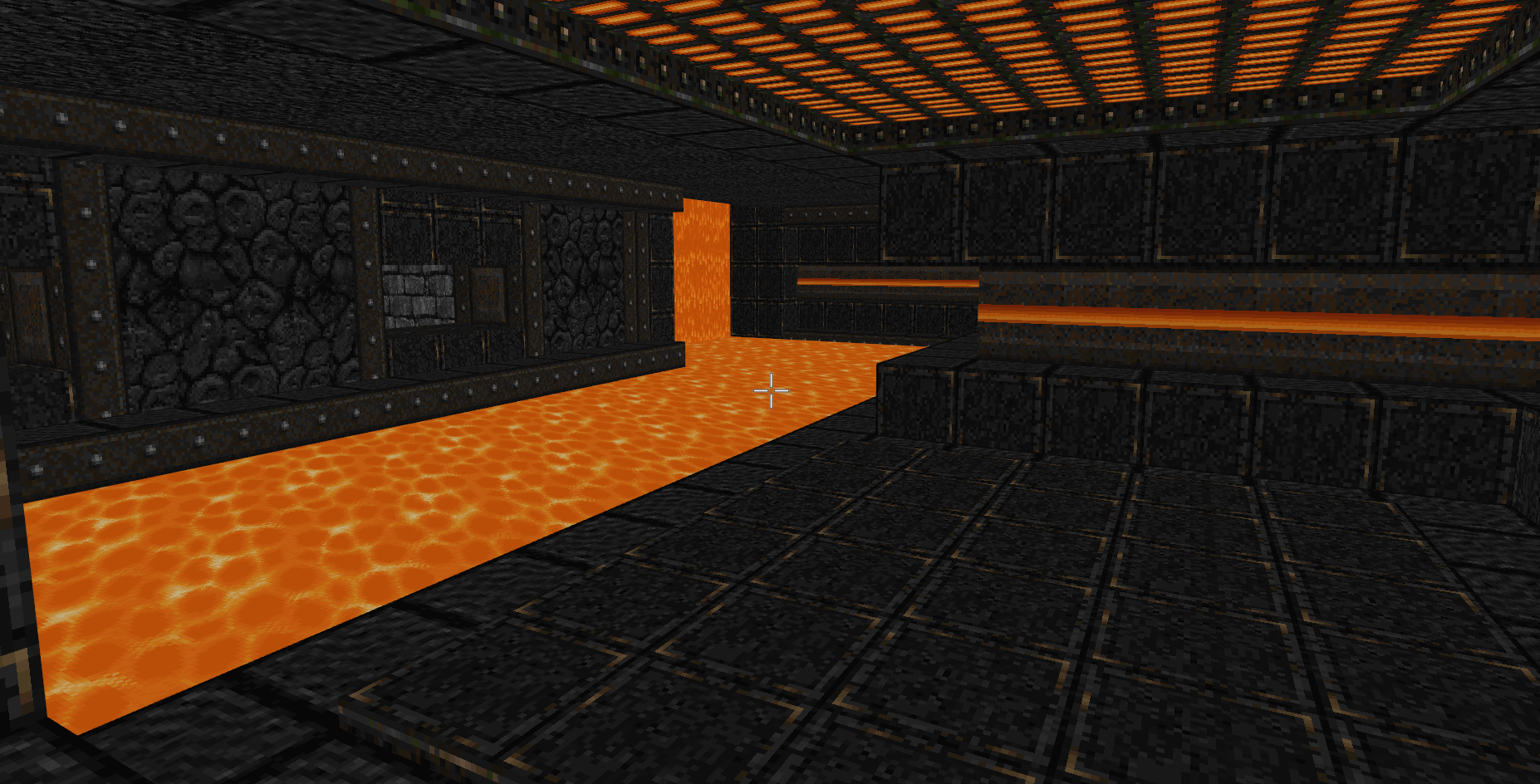
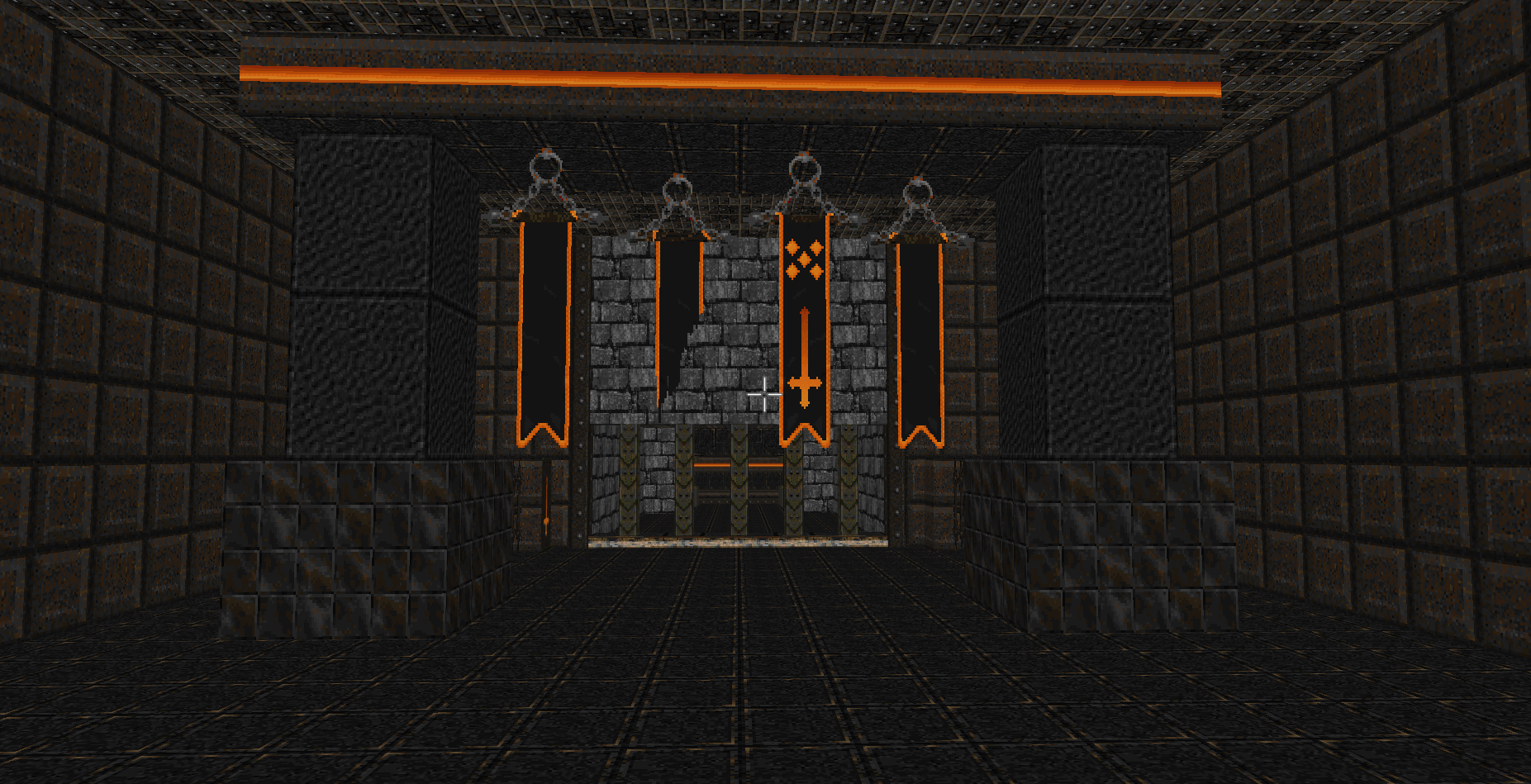
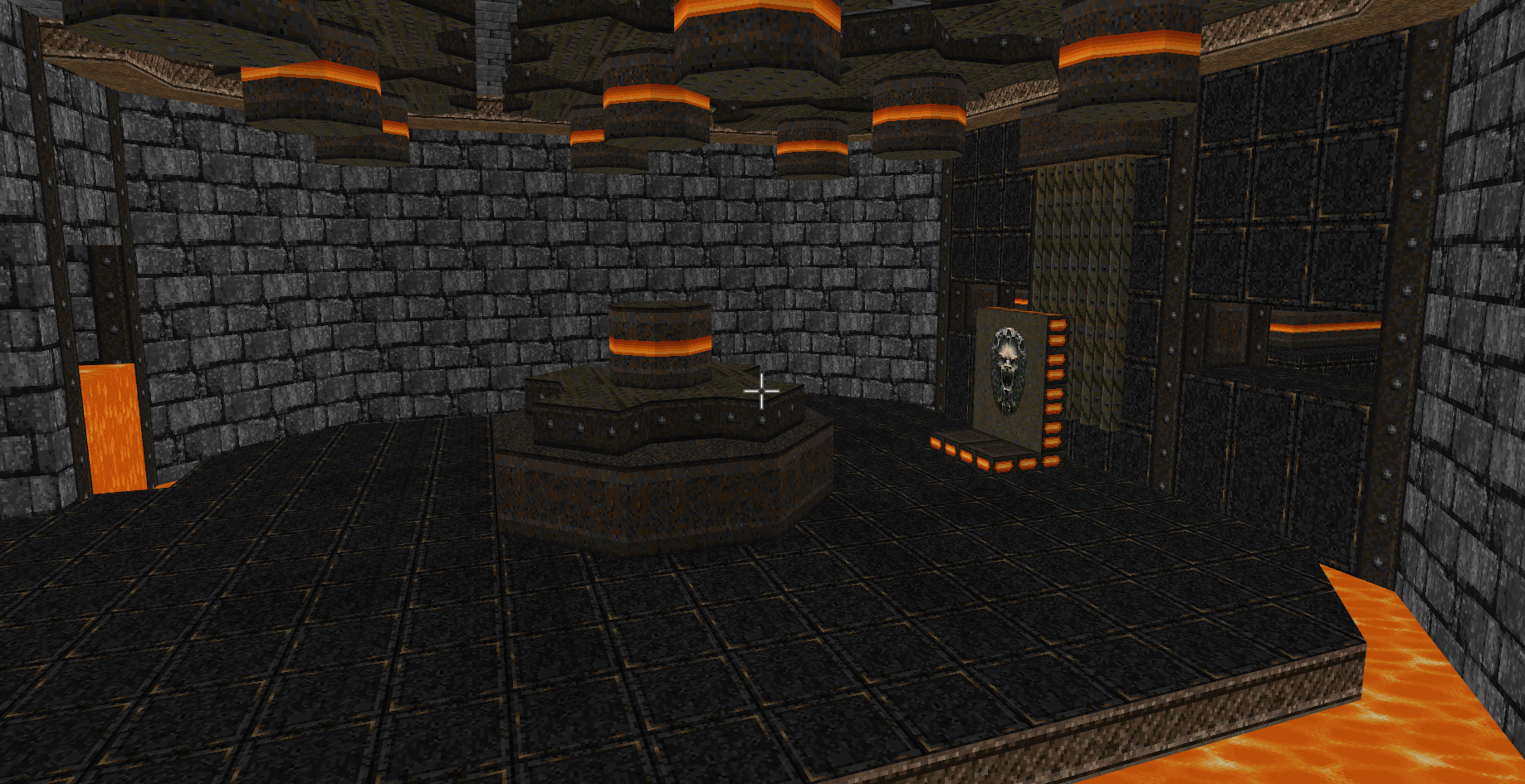
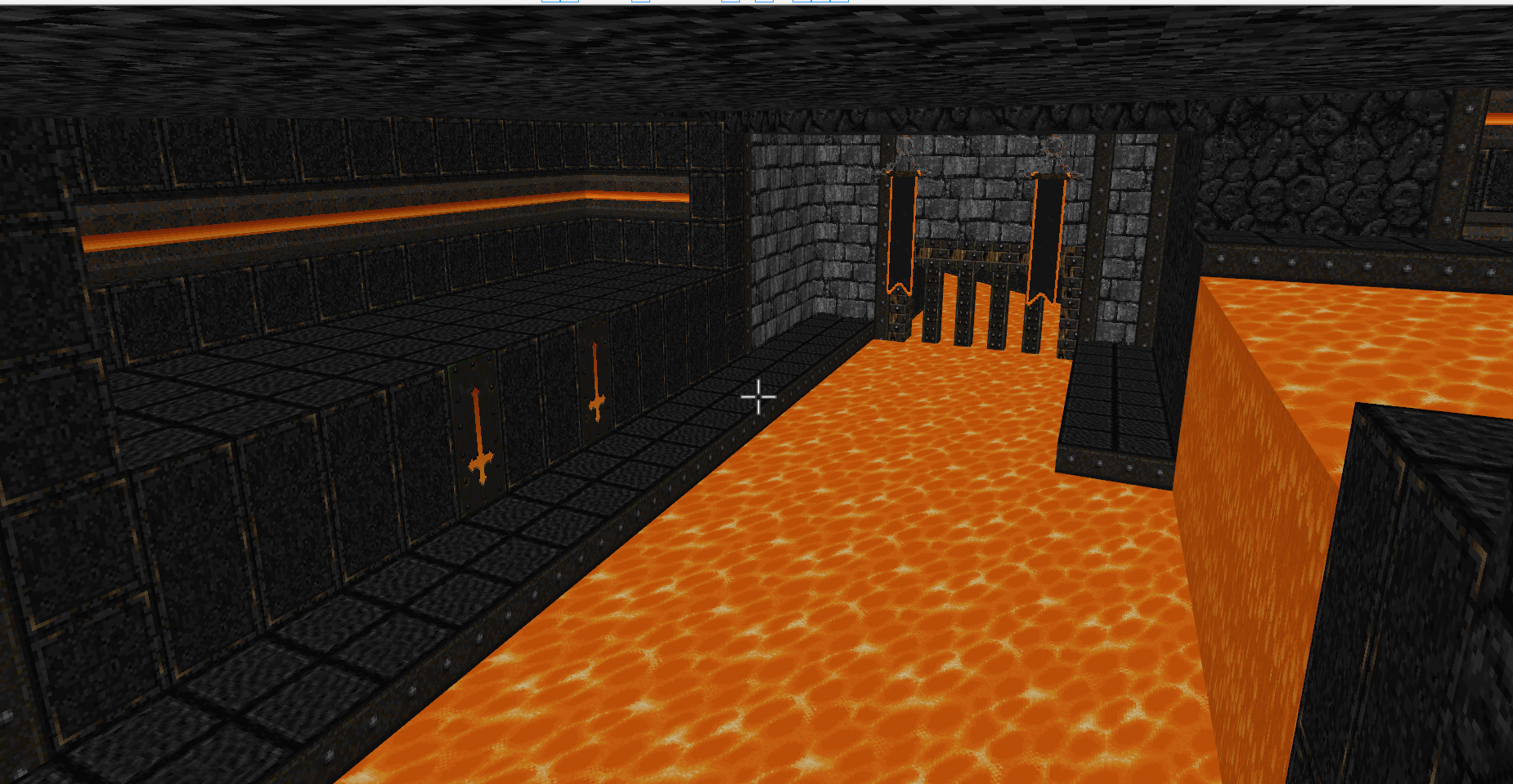
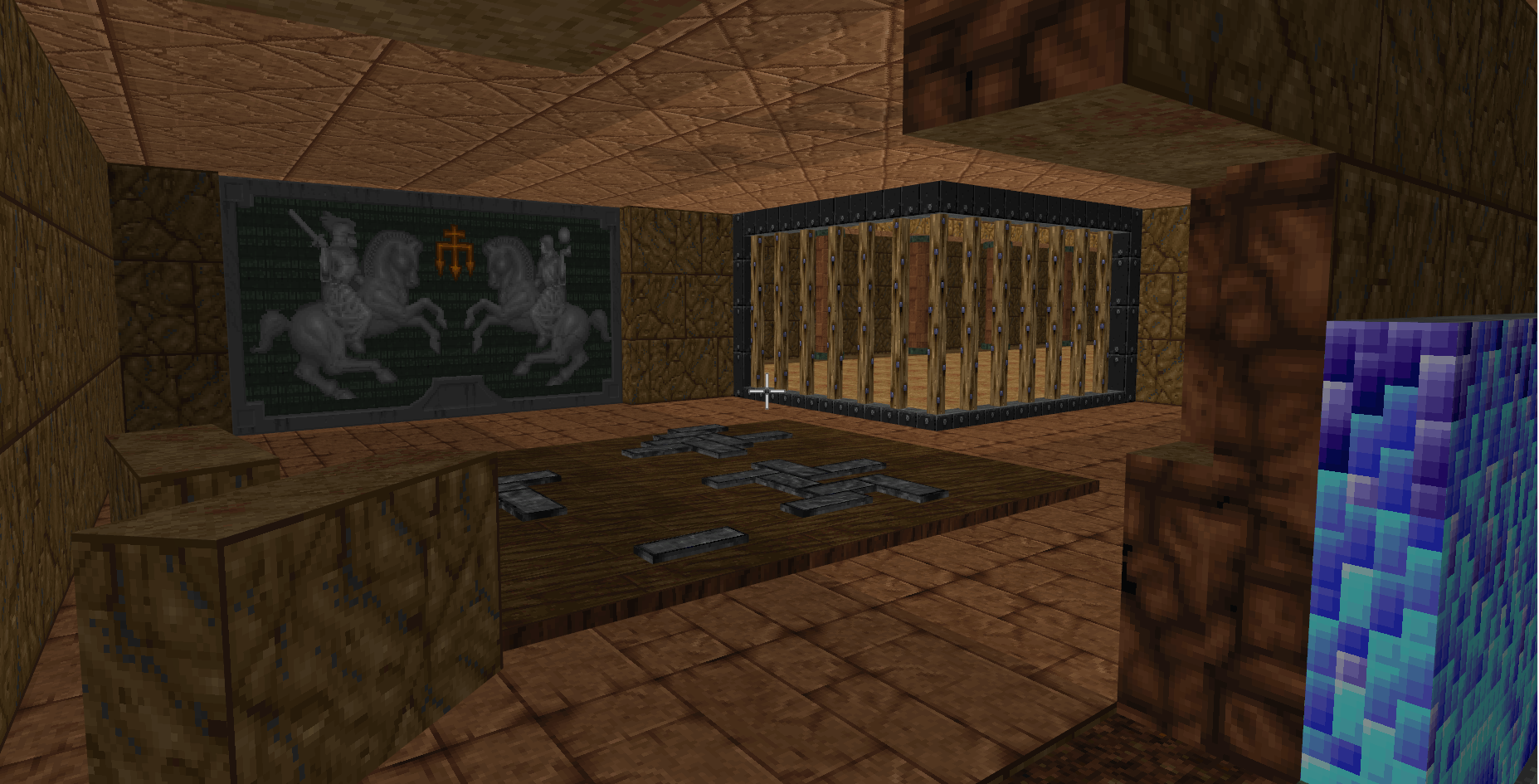
The Heretic level I made for the Heretic Upstart Mapping Project is finished. Here are some pictures I took while making it; I didn’t take pics of the finishing session, and with a busy day tomorrow at a not-so-new-but-incredibly-exhausting job, I think I need to go sleep now.
Play it when it gets added into the next release of HUMP.
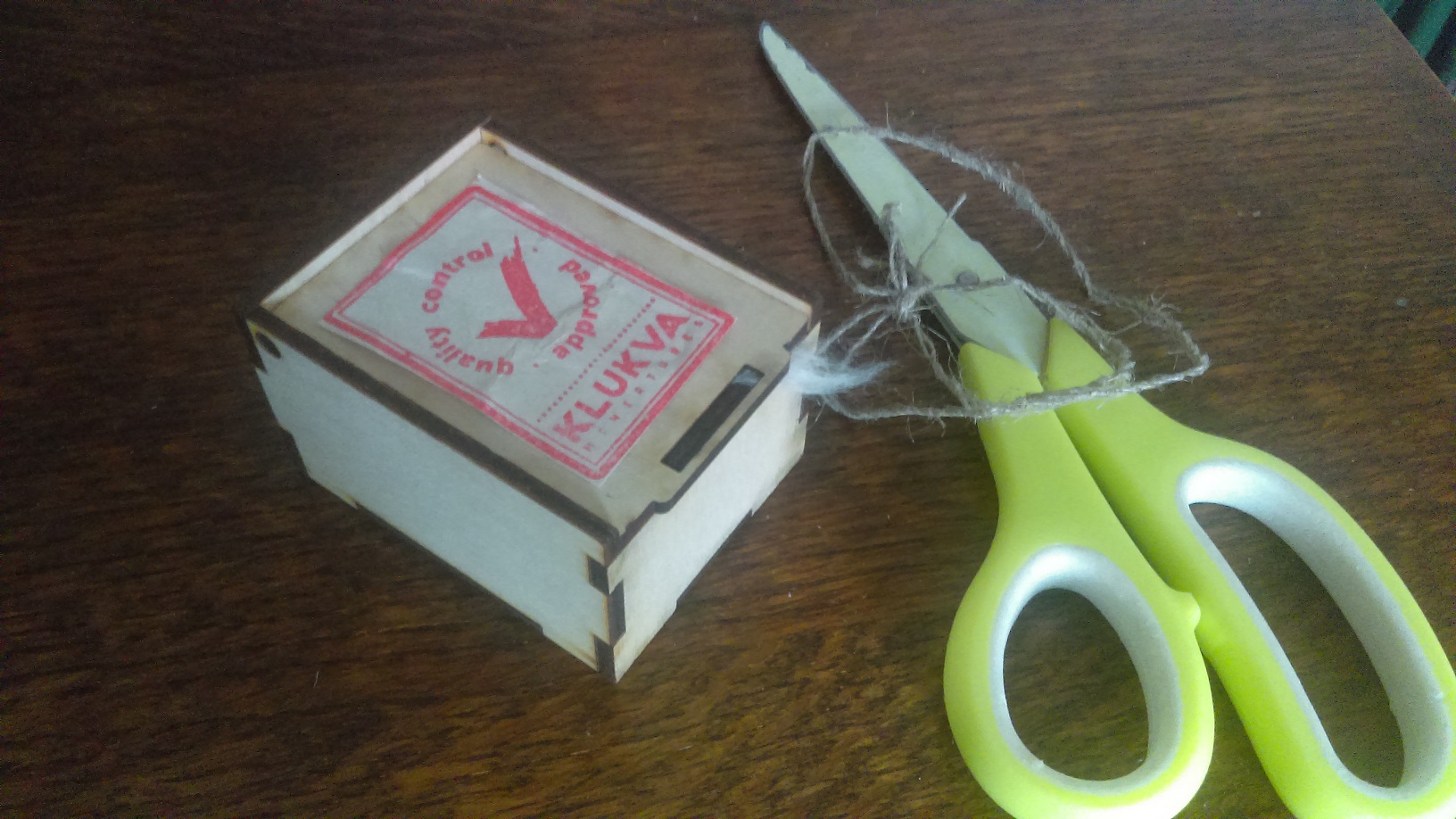
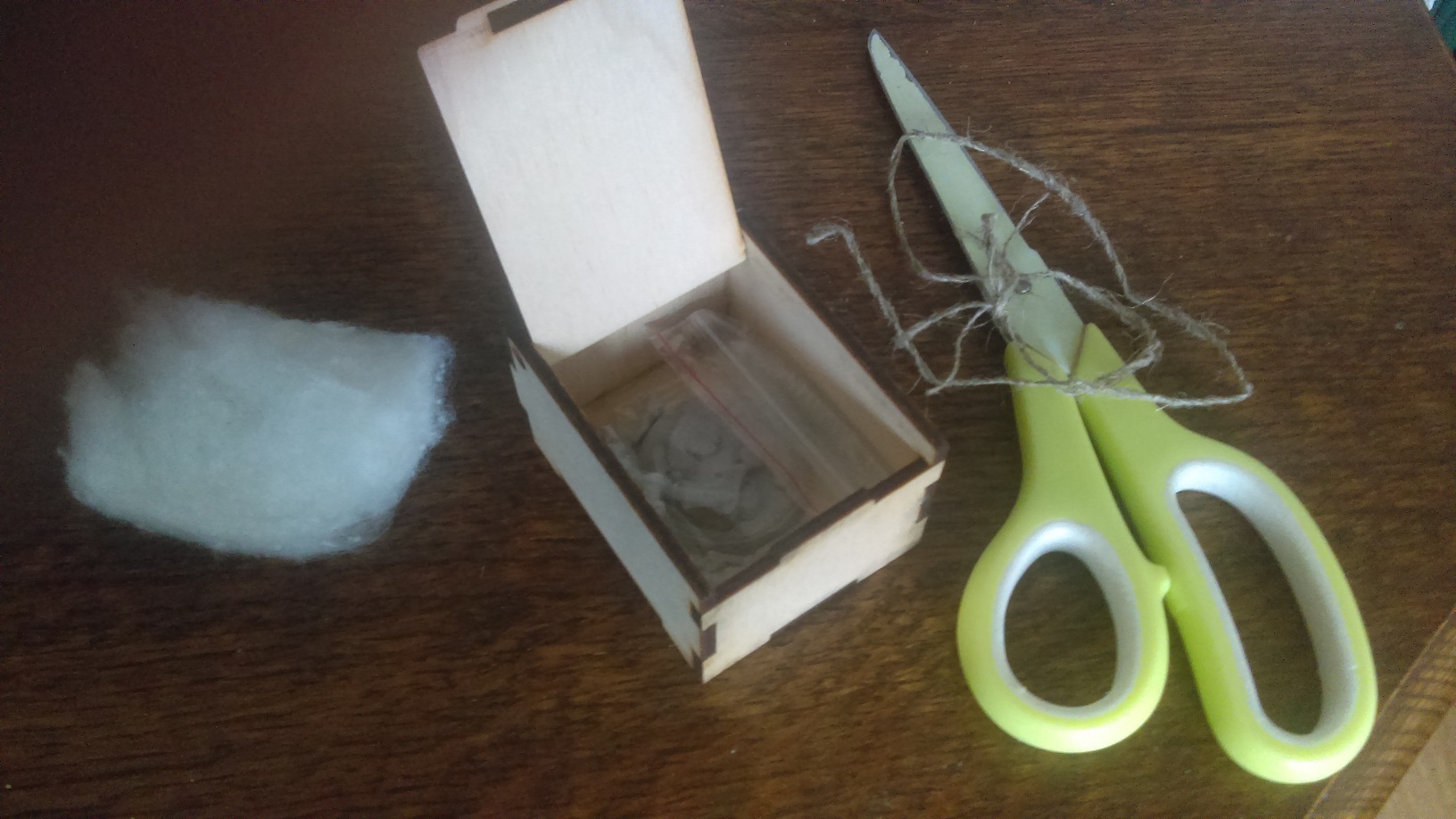
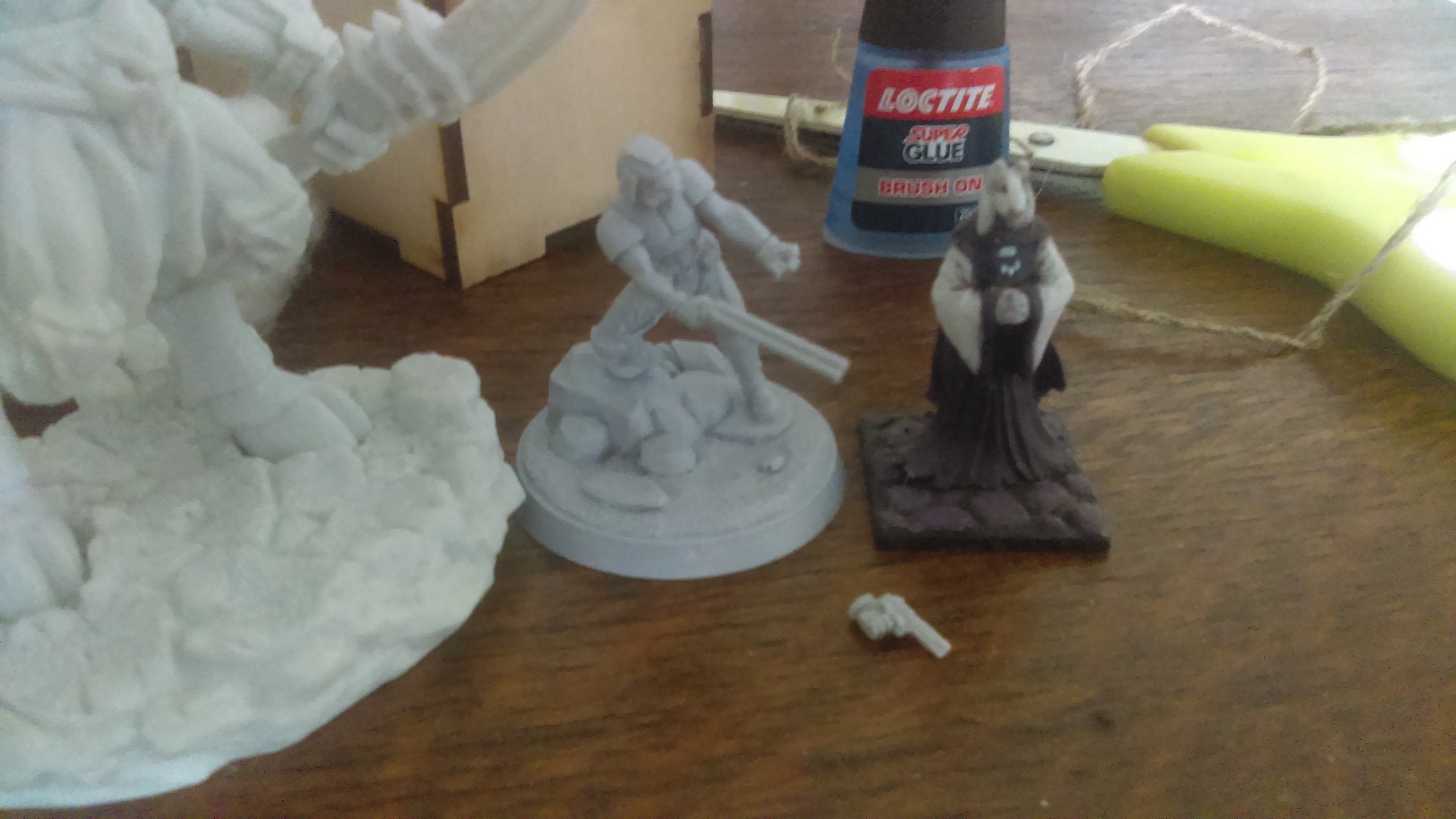
I was surprised by the quality of it. The package came in a sealed
padded envelope and is a sturdy MDF box. It took two and a half months
to arrive, but it was dispatched fairly promptly so that’s not the
sellers fault. The miniature is resin and the detail is extremely crisp.
I had the option of giving Doomguy (sorry, “Hell Crusader”) a pistol or
have him flip off his opponent. I choose the latter option.
Klukva Miniatures sell him for 9 euros, they also do some not!Overwatch miniatures.
Giant demon lord and Minotaur Queen are not included.
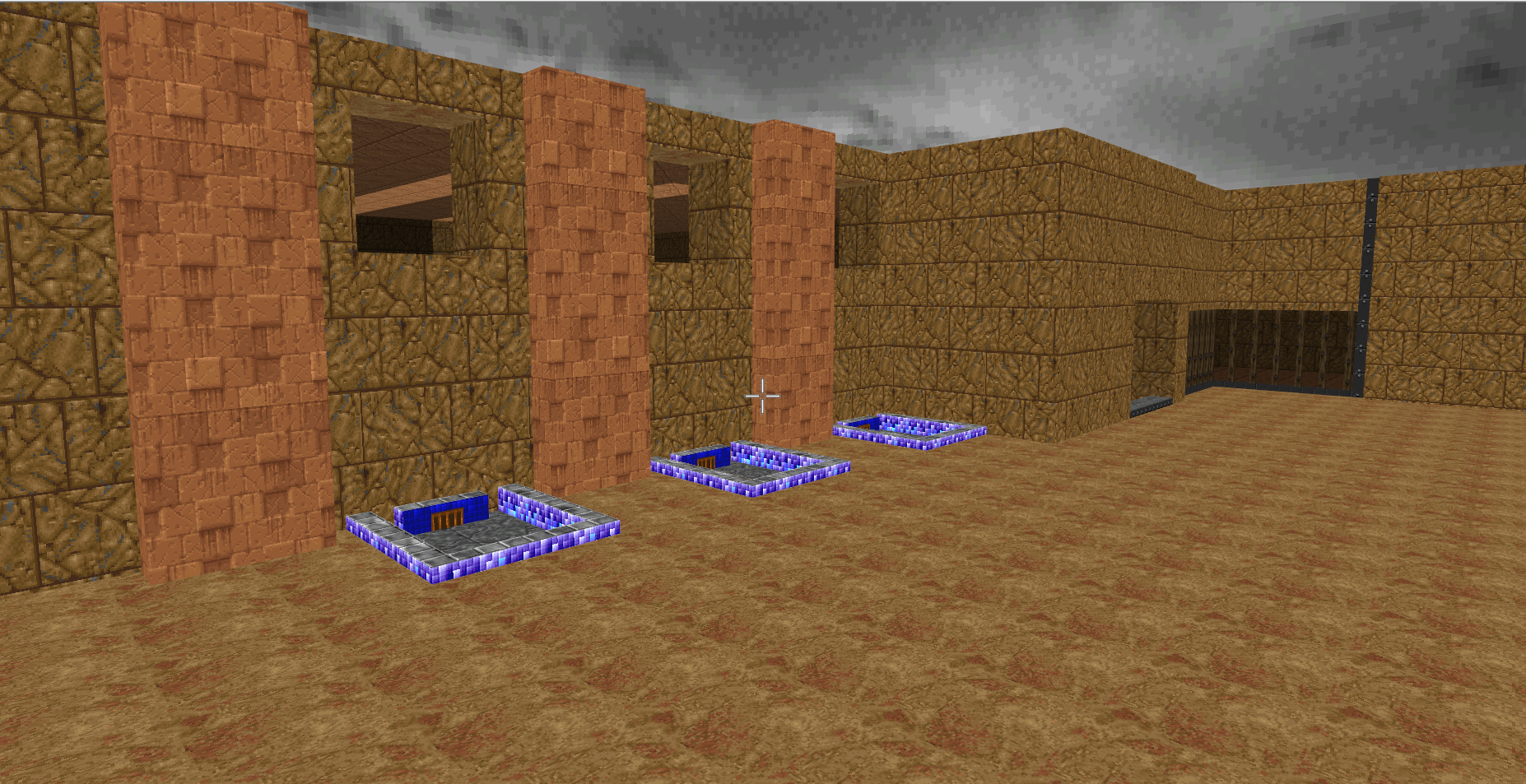
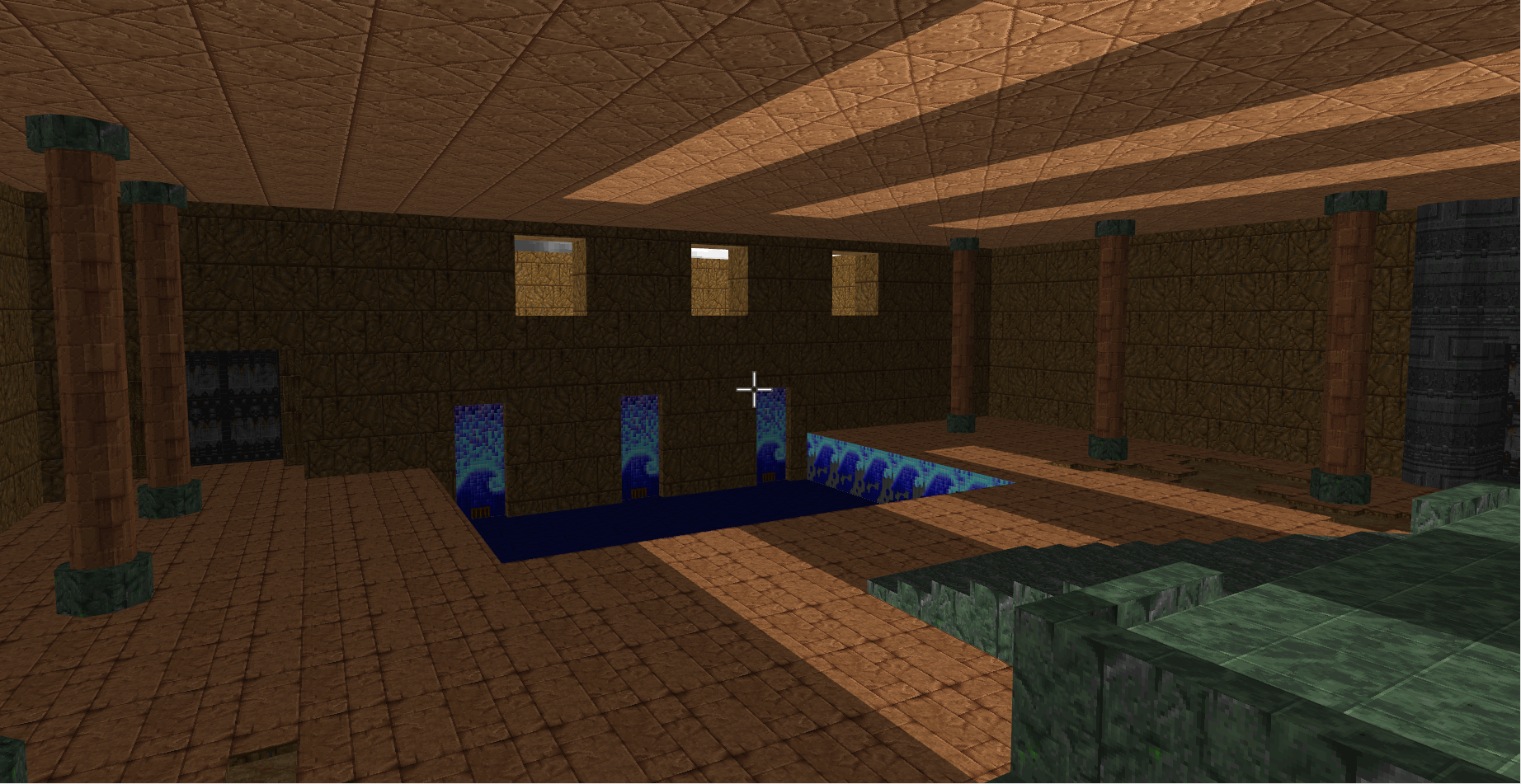
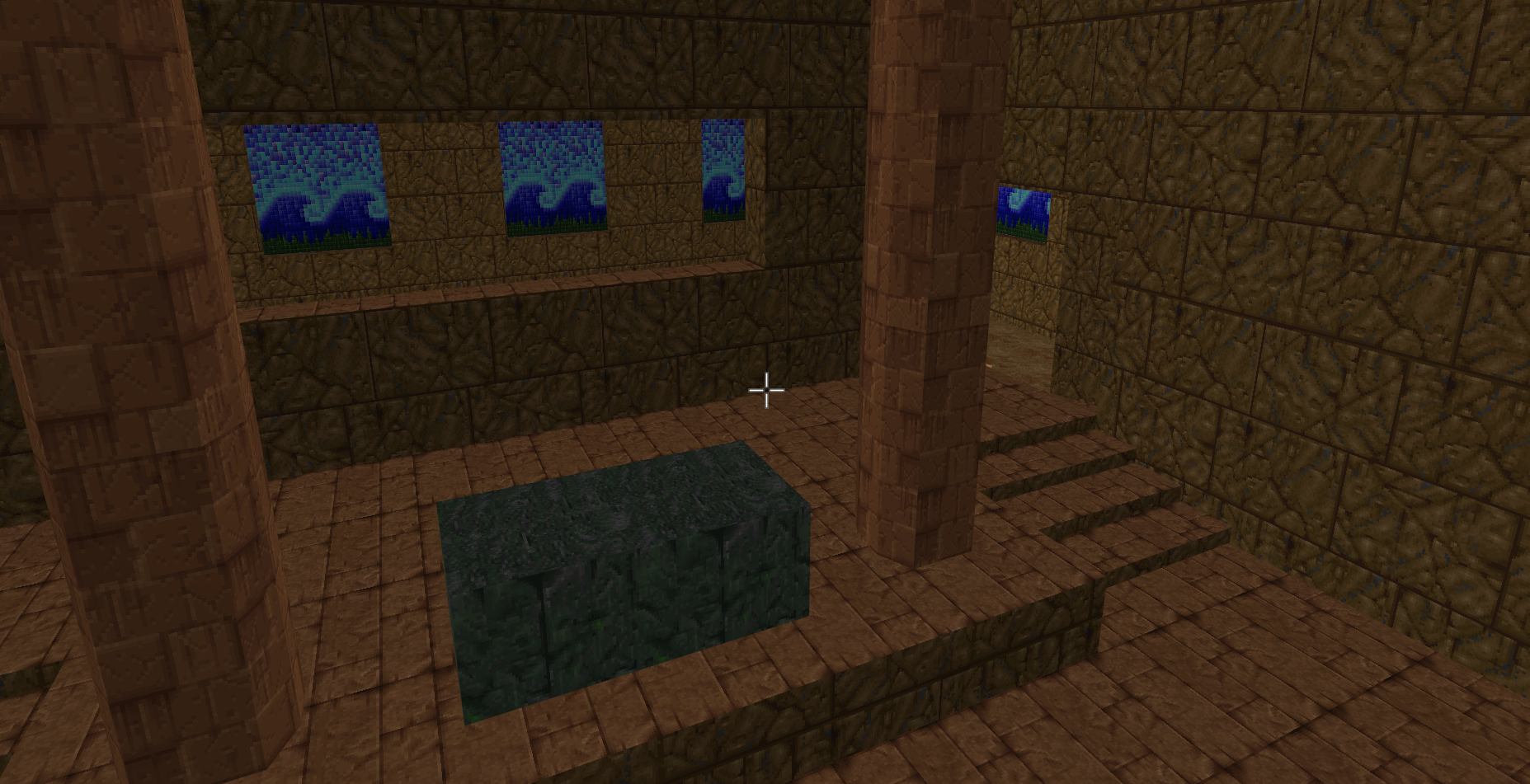
Work-in-progress level for HUMP (Heretic Upstart Mapping Project) “Oasis Temple”. This is the first area. Right now the map is quite large but the actual playable area is very small – almost the whole level is dummied out content.












 The Nephrite Games Blog